
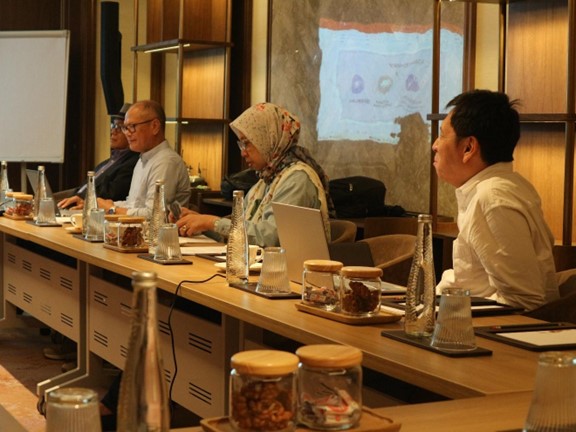
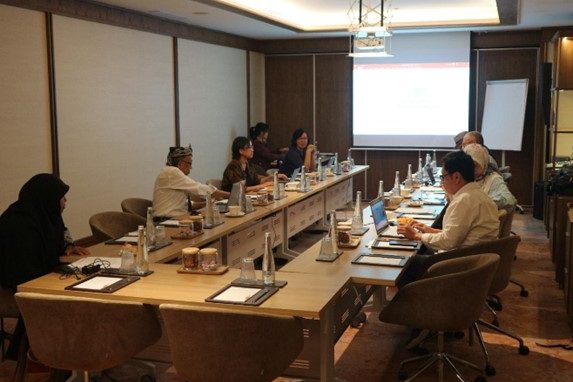
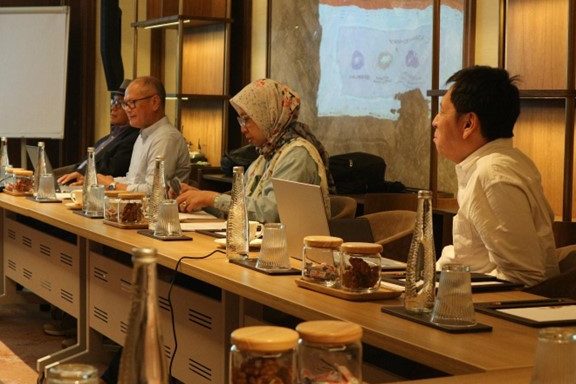
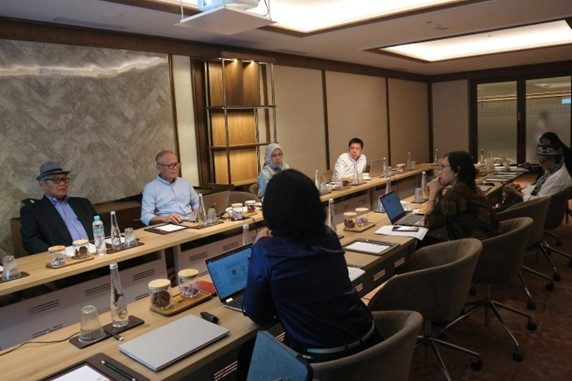
Yogyakarta – The Tourism Doctoral and Master Programs, Graduate School of Universitas Gadjah Mada (UGM), organized a Curriculum Workshop on Wednesday, April 15th 2026, at Grand Hotel de Djokja, Malioboro. This activity serves as an important step in the implementation of a new curriculum for the 2026 academic year, which is expected to address the evolving challenges of academic development and the increasingly dynamic needs of the tourism industry.
The workshop was attended by lecturers, experts, and stakeholders involved in curriculum development, both from within UGM and external institutions. The participation of these diverse stakeholders reflects a shared commitment to develop a curriculum that is academically relevant and also practical and responsive to global developments.
The event began at 08:00 AM with a morning coffee session, providing an opportunity for informal discussions and networking among participants. The workshop was officially opened at 09:00 AM, marking the start of a series of intensive discussions on curriculum evaluation and development. Based on the program agenda, the initial session focused on reviewing the 2023 Master curriculum in Tourism Studies while simultaneously designing the framework for the 2026 curriculum.
Participants, during this session, discussed various key aspects, including course relevance, learning outcomes, and the integration of interdisciplinary approaches, which are central to Tourism Studies. The discussions were dynamic, with constructive inputs emphasizing the need to adapt to technological advancements, changing tourist behavior, and sustainability issues in tourism.
In the following session, the focus shifted to align the curriculum of the Master (S2) and Doctoral (S3) levels. This alignment is crucial to ensure continuity in learning pathways and to strengthen academic progression for students advancing to higher levels of study. It also aims to reinforce the position of the Tourism Program as a center of excellence in tourism scholarship at both national and international levels.
After the lunch break, the workshop continued with a review of the Doctoral curriculum. In this session, participants evaluated the existing curriculum structure, including course relevance, research components, and the program’s contribution to the development of tourism knowledge. The discussion also highlighted the importance of strengthening research methodologies and scientific publications as integral components of doctoral education.
The curriculum development session for the Doctoral program became one of the most significant part of the workshop. Participants collaboratively formulated a more adaptive curriculum structure by considering global issues such as sustainable tourism, digital transformation in the tourism industry, and socio-cultural dynamics within tourism contexts. These collaborative discussions resulted in strategic recommendations for improving the curriculum.
The workshop concluded with a session dedicated to summarizing the key findings and outlining follow-up plans. The outcomes of the discussions were synthesized into strategic points that will serve as the foundation for the final curriculum design. This activity produced technical recommendations and also reinforced a collective commitment to enhancing the quality of education in Tourism Studies.
Dr. rer. pol. Dyah Widiyastuti, S.T., M.CP., Chief of the Tourism Master’s Program, emphasized that the workshop represented a crucial step in ensuring that the curriculum remains responsive to future challenges. She highlighted the importance of developing a curriculum that is adaptive, innovative, and capable of equipping students with competencies relevant to contemporary demands.
The Tourism Doctoral and Master’s Programs UGM, through this initiative, are expected to further enhance educational quality and produce graduates who are excellent, competent, and ready to contribute to the development of the tourism sector at both national and global levels.
This curriculum workshop demonstrates UGM’s strong commitment to maintaining the quality of higher education with continuous evaluation and innovation, and strengthening the role of academia in addressing the challenges of tourism development in the modern era.
Author : Khoirul Mujazanah