
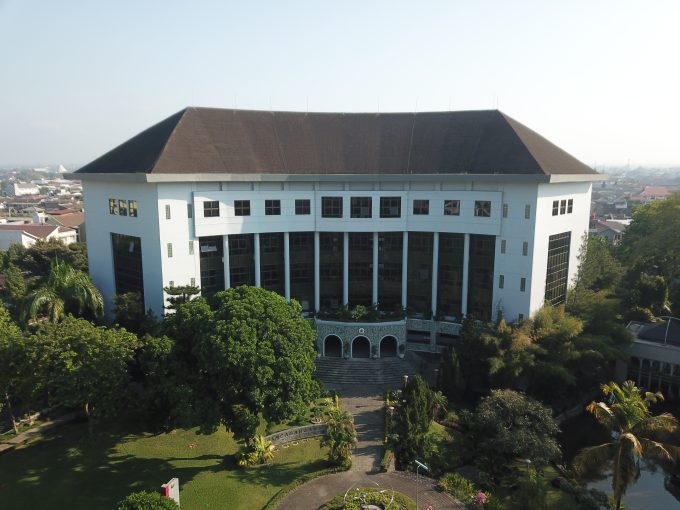
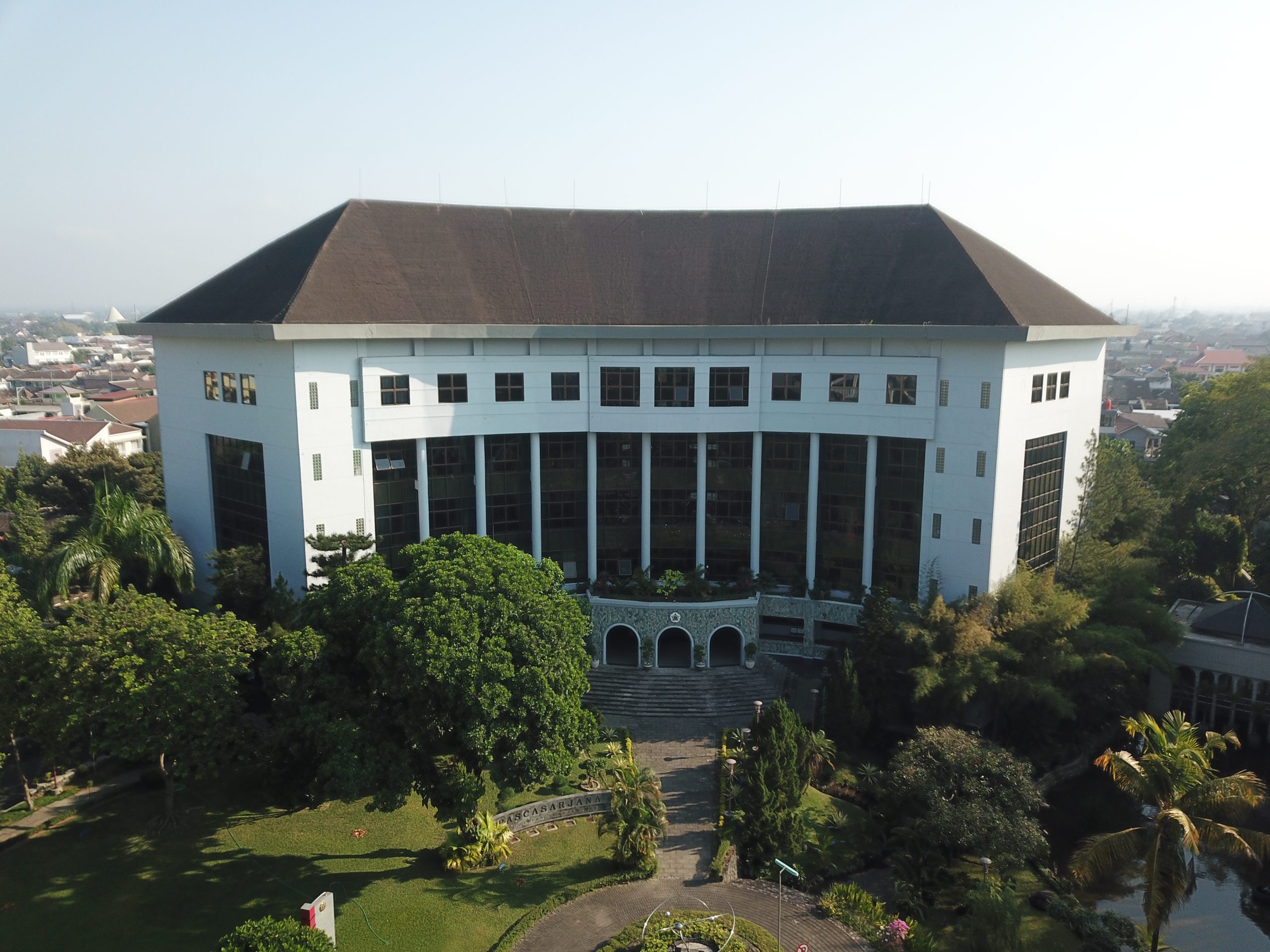
Yogyakarta, April 14th 2026 – An excursion study activity was conducted by students of the Disaster Management Study Program, Faculty of Economics and Business, Universitas Budi Luhur Jakarta, to the Disaster Management Master Program at the Graduate School of Universitas Gadjah Mada (MMB SPs UGM). The activity took place from 10:30 to 13:00 WIB.
The Chief of Disaster Management Master Program, Dr. Ir. Agung Setianto, S.T., M.Si., IPM, opened the event with an introduction to the profile of MMB UGM, which is a multidisciplinary study program supported by experts from nine different faculties. The program focuses on producing professionals capable of planning development based on disaster risk reduction through both coursework and research pathways. This event aimed to deepen students’ understanding of disaster governance and strengthen academic networks of various institutions.
The MMB program, during the presentation session, delivered strategic data regarding the escalation of geological threats in Indonesia, including updates on active fault lines, which have significantly increased from 81 to 295 segments. In addition to geological threats, discussions also covered current issues such as the risk of industrial accidents (mega disasters) in strategic areas like Cilegon and Bontang, as well as biological threats in the form of zoonotic diseases.
The activity concluded with an explanation of the MMB UGM program profile. It prepares graduates in disaster management with a wide spectrum of career opportunities, including roles as researchers in government institutions such as BNPB and BRIN, academics, managers in non-governmental organizations (NGOs), and government officials in technical agencies such as BMKG.
This excursion study showed students were invited to examine real-world challenges, ranging from low public risk awareness and climate change challenges to obstacles in synchronizing cross-sector policies that often remain sectoral. In addition, it is expected that Universitas Budi Luhur students will gain a comprehensive understanding of the complexity of disaster studies as a “super discipline,” requiring the integration of science, engineering, and humanities to achieve disaster resilience in the future.
Tags: disaster governance, mega disaster, industrial accidents, SDG 4: quality education, SDG 9: industry, innovation and infrastructure, SDG 15: life on land
Author: Dara Akhina
Editor: Siti Muyasaroh