
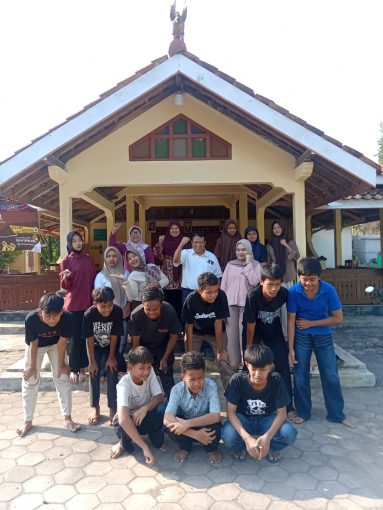
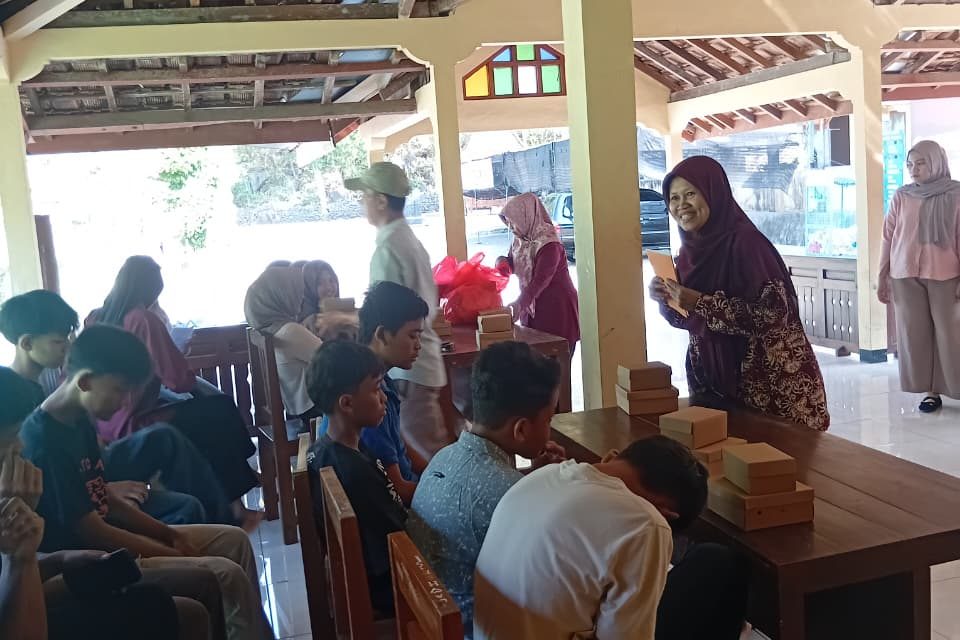

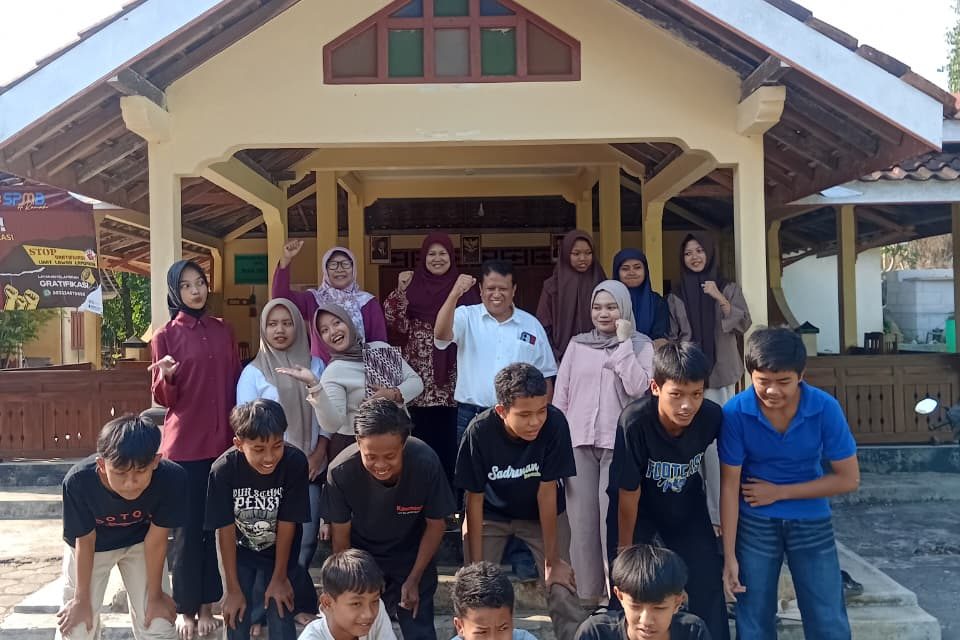
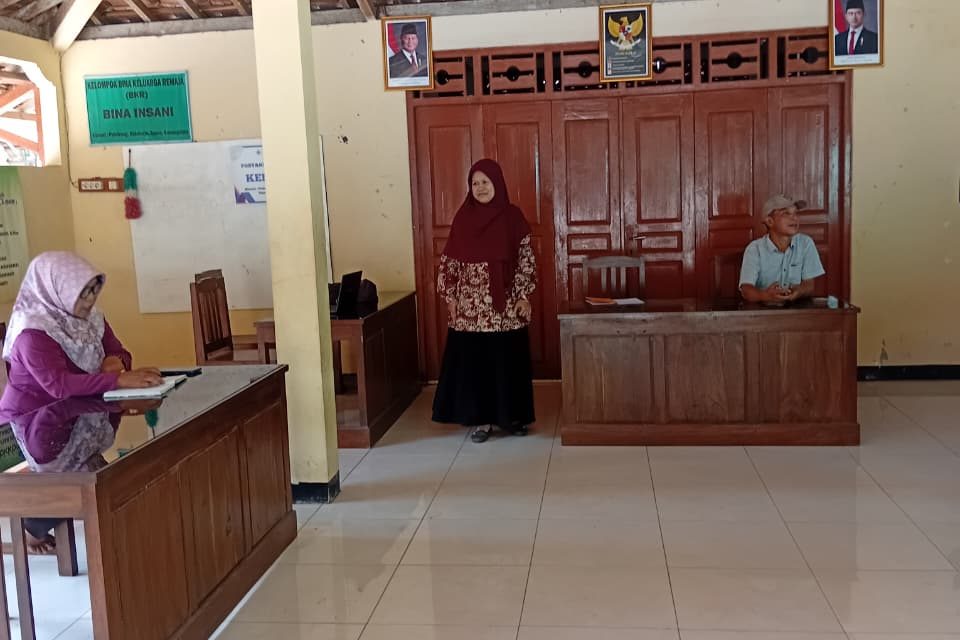
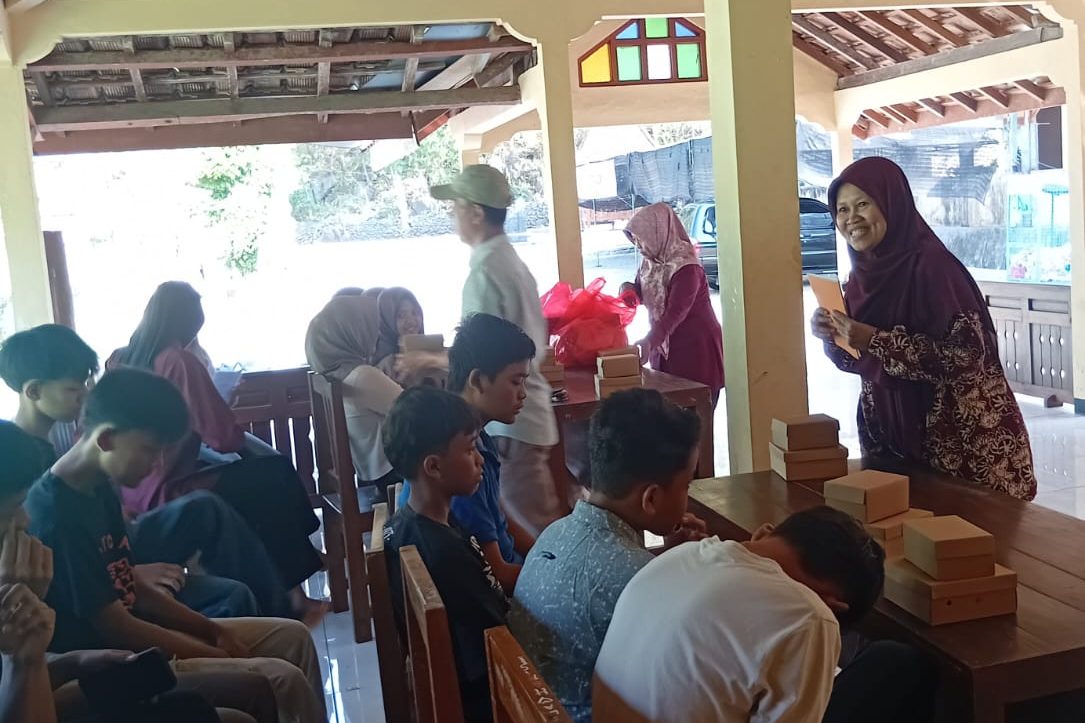
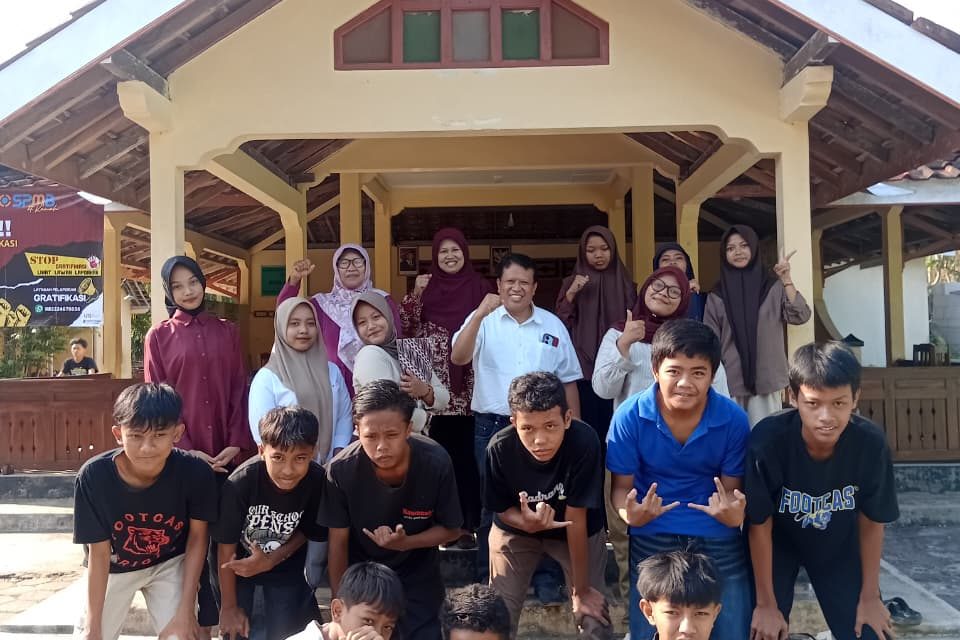
The Population Master Program at the Graduate School of Universitas Gadjah Mada (SPs UGM) organized a Community Service Program under the Education for Sustainable Development scheme. The activity took place on Monday, June 22nd 2026, in Sidoharjo Village, Tepus Subdistrict, Gunungkidul Regency, and involved local hamlet heads, community cadre leaders, and junior and senior high school students.
This initiative aimed to improve adolescents’ understanding of safe, wise, and responsible use of digital technology. It also sought to encourage the productive use of gadgets for learning, skills development, digital entrepreneurship, and educational content creation. The reducing excessive and less beneficial gadget use by strengthening awareness of both the positive and negative impacts of digital technology. The activity was conducted with small-group discussions facilitated by Lecturer Dr. Raden Rara Wiwik Puji Mulyani, S.Si., M.Si., together with Population Master’s students, Hannifa Irmajihan Nabilla, S.Mat., and Caesarean Fadhilah Putri, S.Si.
The program began with a presentation on the benefits of digital literacy and the productive use of gadgets. During this session, participants learned that digital technology serves as a means of entertainment and communication and also as a medium for accessing information, knowledge, and opportunities for personal development. This discussion showed the adolescents were encouraged to recognize the positive potential of gadgets in supporting learning, creativity, and skill enhancement.
The activity provided education on various challenges and risks associated with internet use. Topics included the dangers of accessing untrustworthy links that may lead to scams or personal data theft, exposure to inappropriate content, and the phenomenon of Fear of Missing Out (FOMO), which can affect psychological well-being. This information was delivered to increase adolescents’ awareness and encourage them to act more carefully and responsible in digital spaces.
The participants, after gaining an understanding of both the benefits and risks of digital technology, were invited to reflect on their daily habits in using gadgets and the internet. As a follow-up to the program, the adolescents were given a 14-day challenge to apply more responsible, productive, and mindful gadget use. From June 23rd to July 5th 2026, participants were asked to record and reflect on their digital activities in the Smart Digital Youth Pocketbook. This activity aimed to foster positive technology-use habits and increase adolescents’ awareness of the impact of digital behavior on their daily lives.
Author: Caesarean Fadhilah Putri
Editor: Siti Muyasaroh