
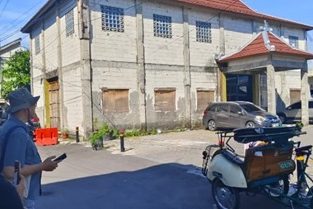
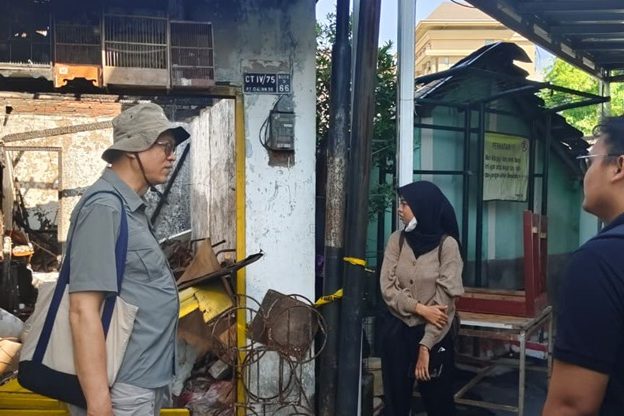
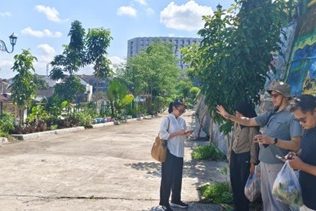
Yogyakarta, May 2nd 2026 – Students of the Disaster Management and Urban Development Master Program (MTPB) at the Graduate School of Universitas Gadjah Mada (SPs UGM) conducted a field visit as part of the Community Empowerment course. The activity took place in two locations: Blimbingsari Village and the Code Riverbank area in Yogyakarta.
The field visit aimed to provide students with a contextual understanding of community empowerment dynamics in densely populated urban areas. The activity was coordinated by Muhammad Sulaiman, S.T., M.T., D.Eng., the course lecturer.
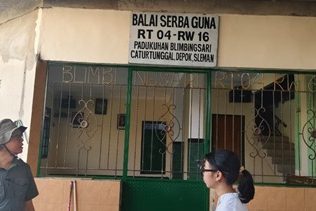
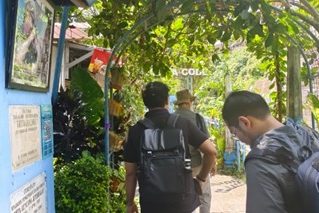
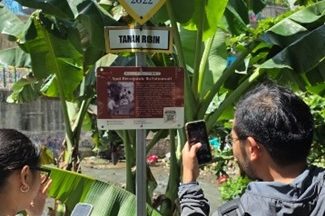
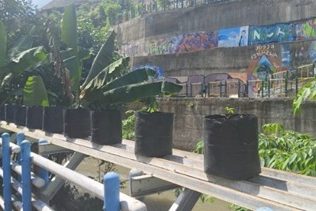
The activity began with a visit to Blimbingsari Village. At this location, students observed various forms of community initiatives, one of which was the Pandansari Women Farmers Group (Kelompok Wanita Tani/KWT). The KWT serves as a community organization that encourages productive community-based activities, particularly with the utilization of limited space for urban farming initiatives.
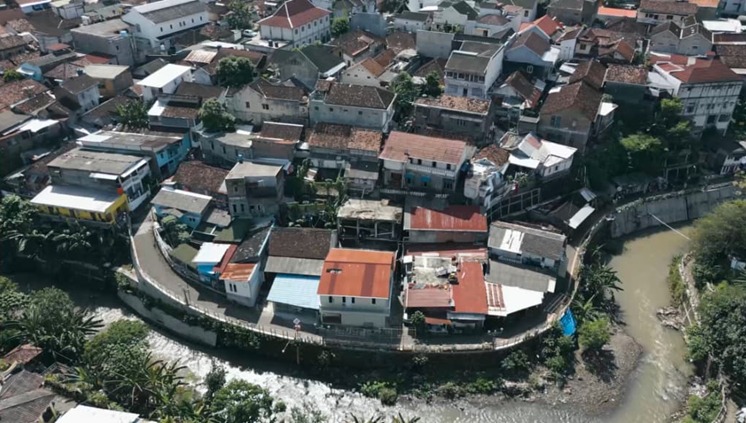
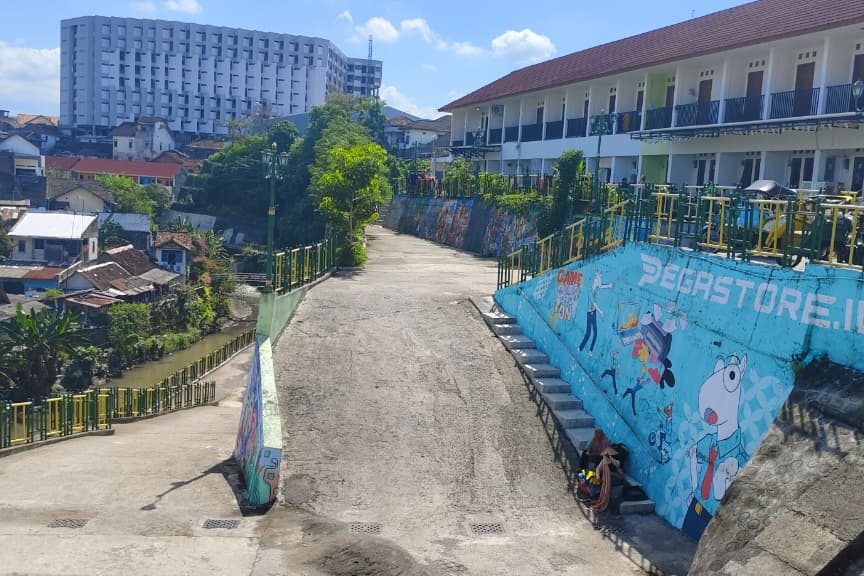
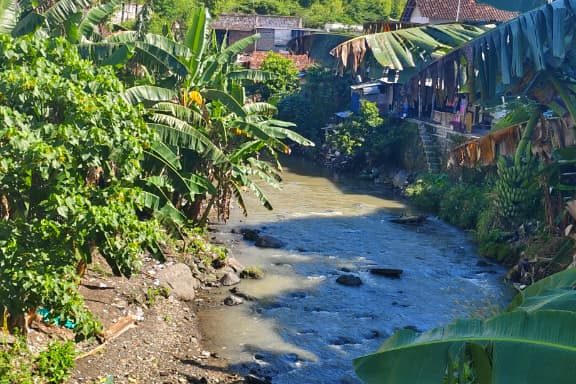
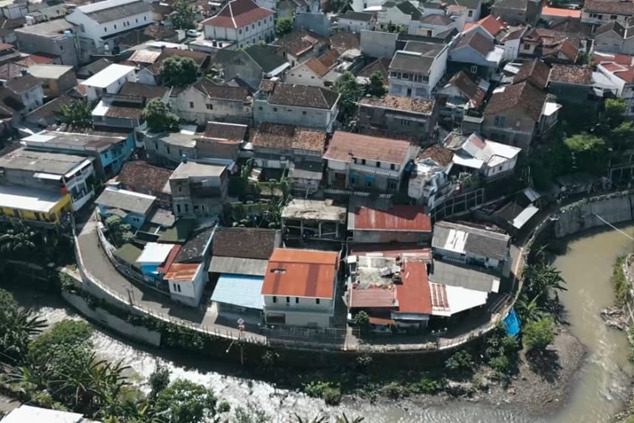
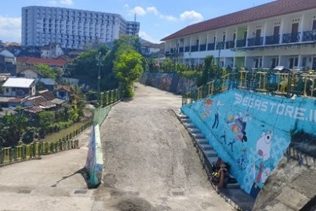
The activity, after visiting Blimbingsari, continued to the Code Riverbank area. This location provided a different learning context. The students directly encountered densely populated settlements located at the riverbank. The Code River serves ecological functions and is also closely connected to the social, economic, cultural, and historical life of the surrounding communities.
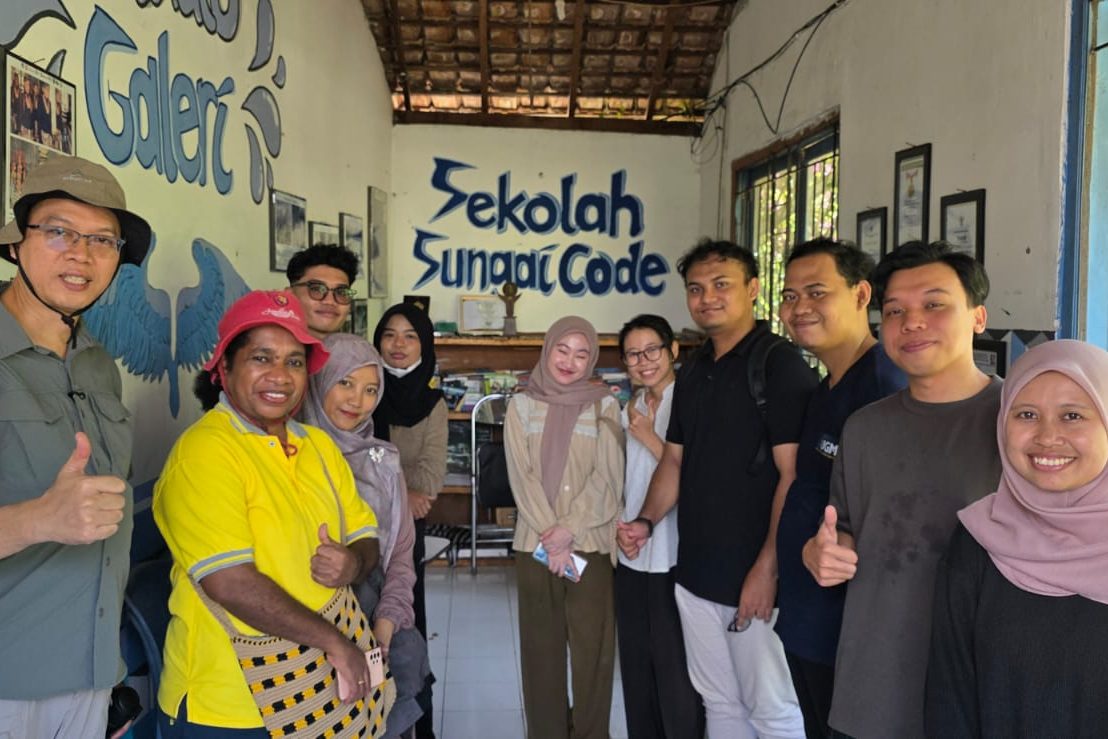
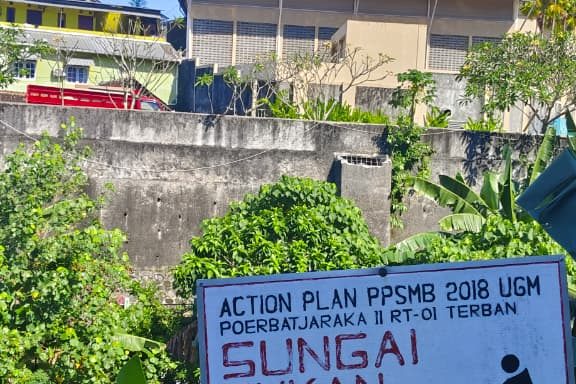
One of the important points of the visit was the Code River School (Sekolah Sungai Code). The Code River School is a non-formal educational space developed to provide learning opportunities on rivers and the environment for local communities and visitors.
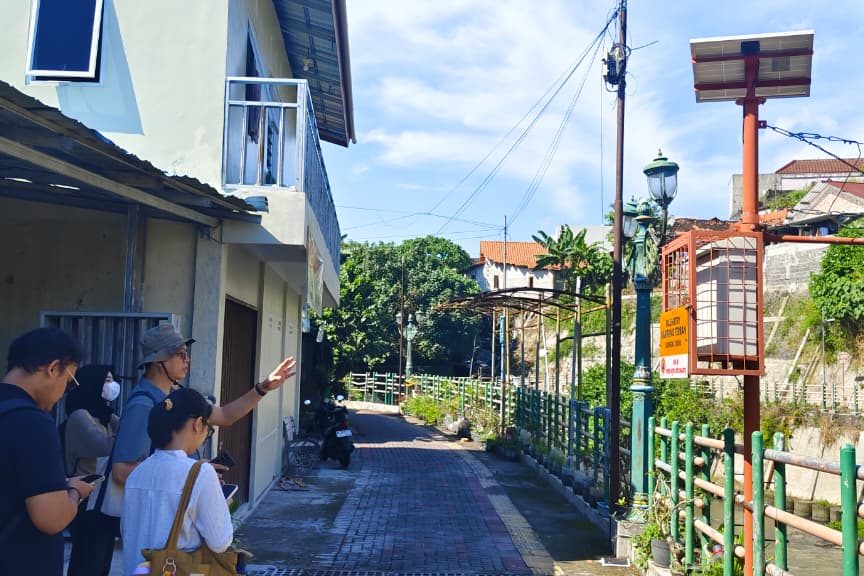
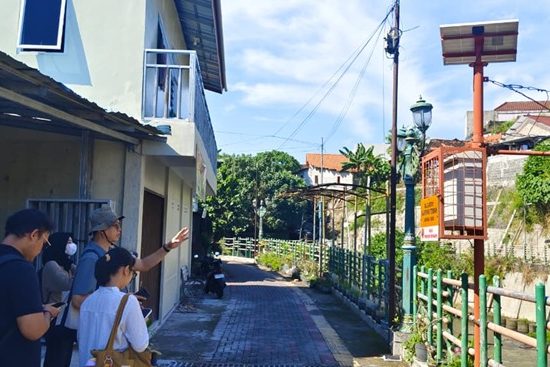
Students also observed the existence of river monitoring and disaster mitigation systems, including telemetry facilities and the Early Warning System (EWS). These systems function to monitor real-time water level conditions and provide early warnings to the community of potential flooding.
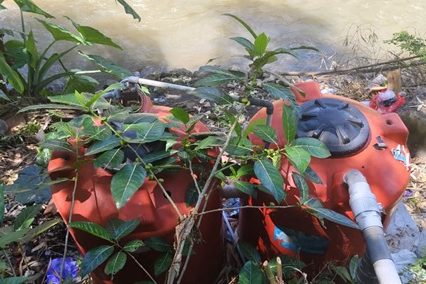
Overall, this field visit provided students with an understanding of community empowerment in urban areas which cannot be separated from the contexts of space, environment, economy, disaster risk, and community institutions. Blimbingsari demonstrated how communities manage limited land with hydroponics, greening programs, waste banks, and the development of MSME potential. The Code Riverbank area are illustrated how communities develop river education systems, clean water management, disaster mitigation, waste processing, and the preservation of socio-cultural assets.
Author: Ismi Sri Rahayu
Editor: Siti Muyasaroh