
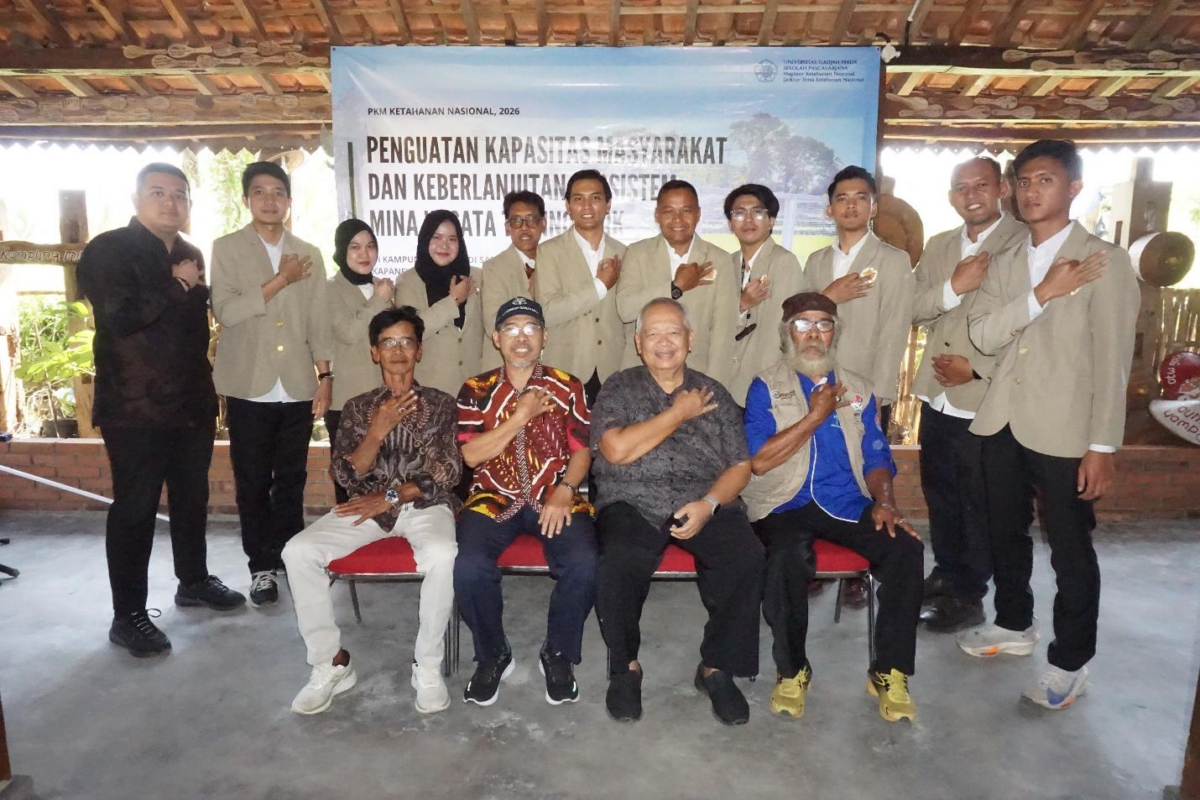
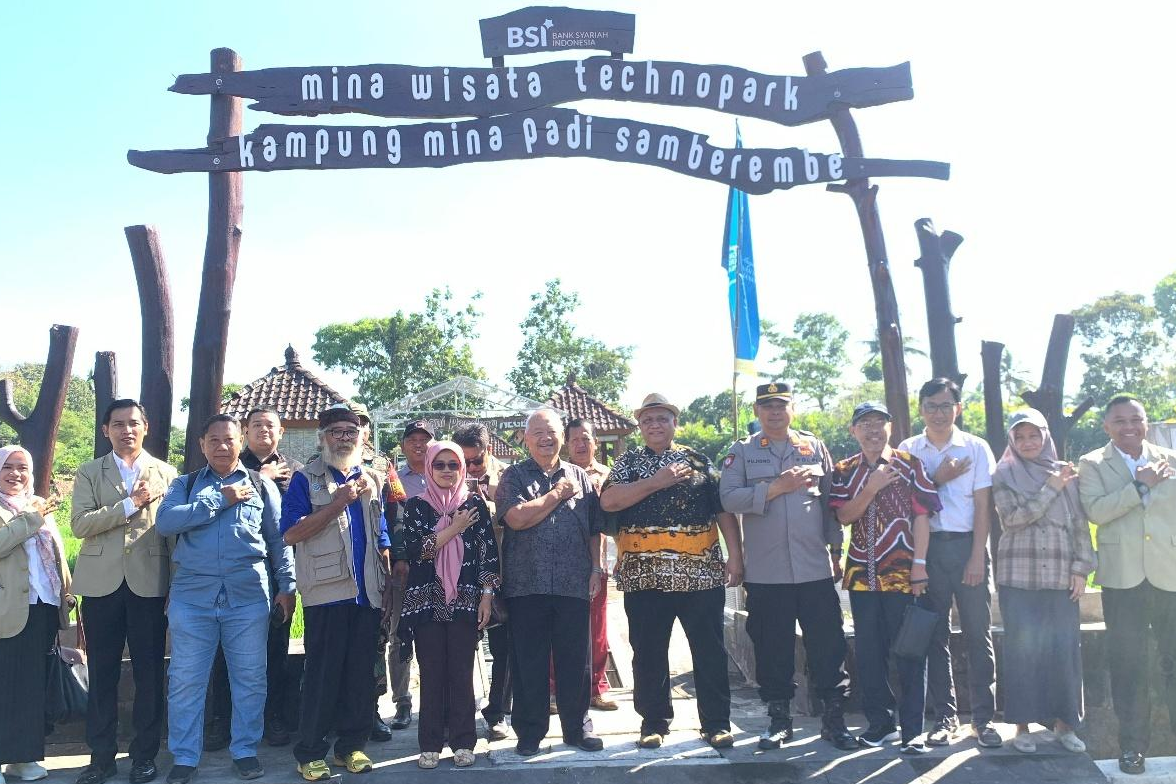
SLEMAN, August 29th 2026 — The National Resilience Study Program, Graduate School, Universitas Gadjah Mada (UGM), is promoting community capacity building and the sustainability of the Mina Wisata Technopark in Mina Padi Samberembe Village, Pakem District, Sleman Regency. The initiative is carried out through the 2026 Community Engagement Program (PKM), integrating community empowerment, agriculture, fisheries, and tourism potential management.
Carrying the theme “Strengthening Community Capacity and the Sustainability of the Mina Tourism Technopark Ecosystem,” the program is part of the university’s implementation of the Three Pillars of Higher Education (Tri Dharma Perguruan Tinggi), while also promoting the sustainable utilization of local potential.
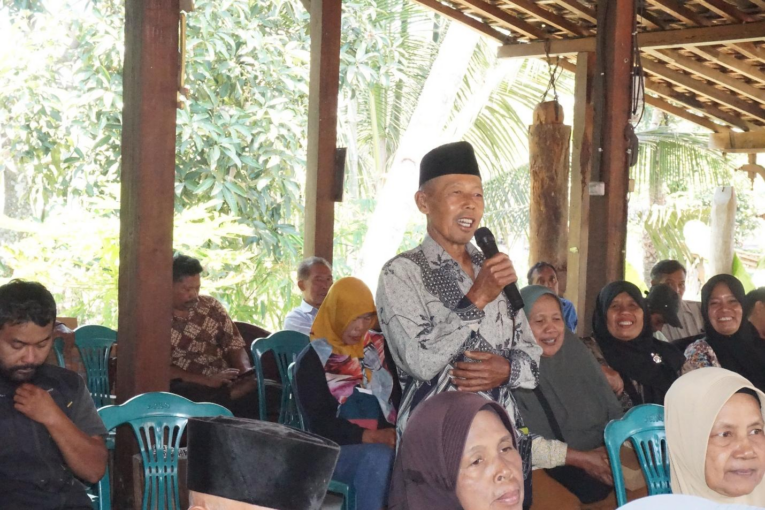
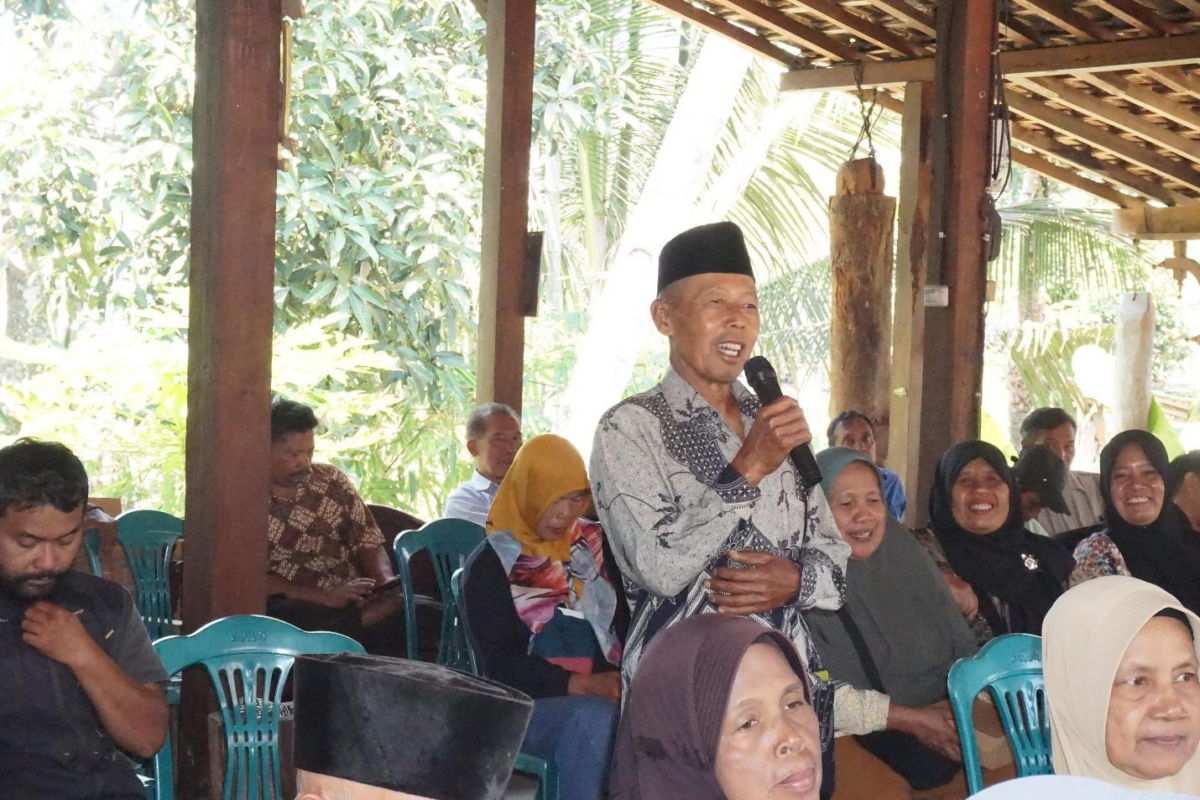
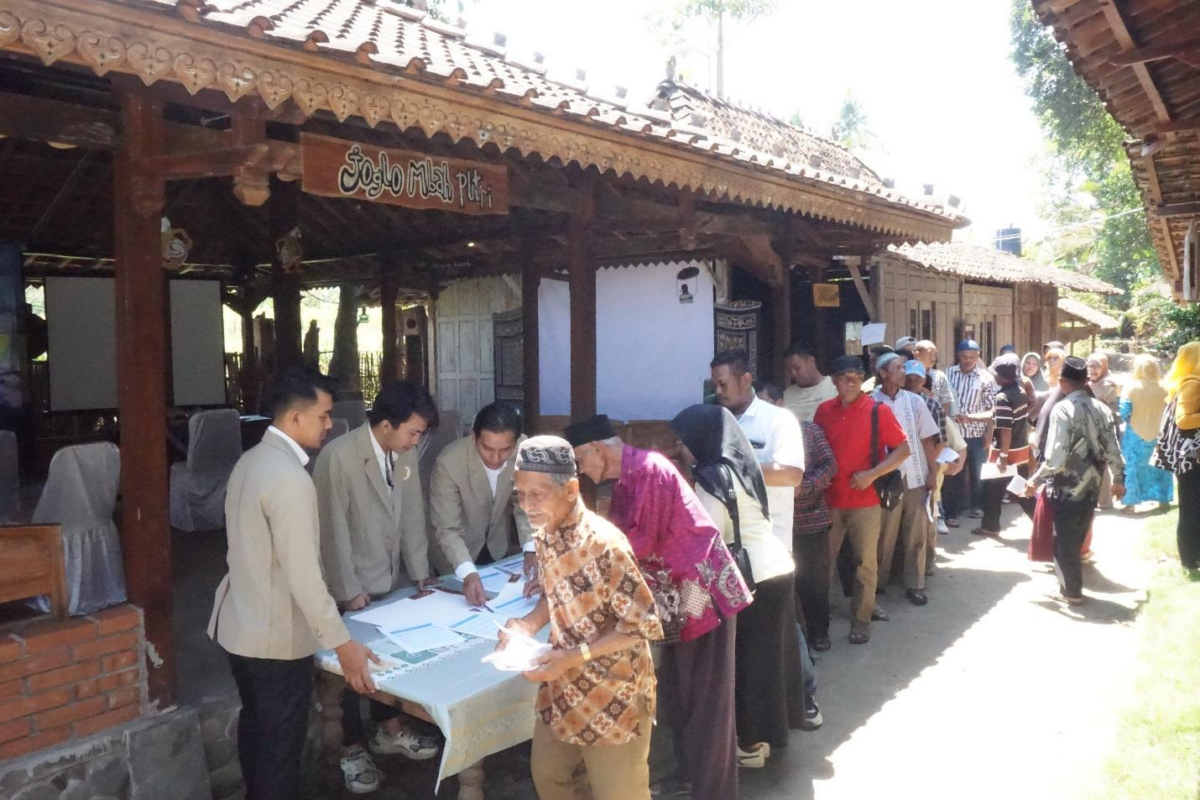
The series of activities included health check-up services for local residents, a symbolic inauguration at the Mina Padi pond area, agricultural and fisheries education, and capacity building for community groups. The activities involved UGM academic community members, local government representatives, farmer groups, fisheries groups, youth organizations, and residents of Mina Padi Samberembe Village.
Chief of the PKM Proposal Team, Prof. Priyono Suryanto, S.Hut., M.P., Ph.D., said that the program was developed based on an assessment of issues encountered by the community using a Participatory Action Research (PAR) approach. This approach involved the community in identifying challenges and determining appropriate interventions based on conditions and needs in the field.
“Based on our assessment, the main issues lie in tourism management and the cessation of fish farming activities due to attacks by water mongoose predators. Therefore, the intervention focuses on strengthening human resource capacity and developing appropriate technological innovations,” he explained.
The PKM team in the agricultural and fisheries sectors, invited Dr. Priadi Setyawan, S.P., M.Si., a UGM Aquaculture lecturer, and Dody Kastono, S.P., M.P., a UGM Agronomy lecturer. They provided education on fisheries and agricultural management practices that can be adapted to the conditions of the Mina Padi Samberembe area.
In addition to educational activities, the PKM team provided fish fingerlings to be released into the Mina Padi ponds. The team also developed a prototype protective fence to help prevent predator attacks, particularly from water mongoose, which had previously been one of the obstacles to fish production.
The program brings together several academic disciplines to address the challenges faced by the community. Knowledge in aquaculture and agronomy is directed toward supporting increased production, while the National Resilience perspective is used to examine the management of local potential in relation to community resilience and sustainability.
The PKM program also focuses on the management of the Mina Wisata Technopark. Tourism activities in the area had previously experienced stagnation, creating a need to strengthen the capacity of the community and tourism management organizations so that the tourism potential can be developed sustainably.
The involvement of farmer groups, fisheries groups, and youth organizations is an important part of this process. Each group plays a role in managing agriculture and fisheries as well as developing tourism potential within the Mina Padi Samberembe community.
The participatory approach showed the PKM team not only provides training and assistance but also encourages community members to participate from the identification of problems to the development of solutions. Collaboration among academics, the community, and village government is expected to strengthen the community’s capacity to independently manage local potential.
The PKM program conducted by the UGM National Resilience Program in Samberembe also contributed to the achievement of the Sustainable Development Goals (SDGs), particularly SDG 2: Zero Hunger, SDG 16: Peace, Justice and Strong Institutions, and SDG 17: Partnerships for the Goals.
Community capacity building in agriculture and fisheries is aimed at supporting food security. Meanwhile, strengthening tourism management institutions and collaboration among academics, community members, and village governments creates part of efforts to build stronger partnerships and institutions at the local level.
This program showed Mina Padi Samberembe Village is expected to gradually redevelop its mina tourism potential. Strengthening agricultural and fisheries production, tourism management, and community capacity constitutes an important effort to maintain local potential and strengthen community resilience in Samberembe.
Writer: Alberthin Lucas, Sinfan Najia
Editor: Arfikah I