
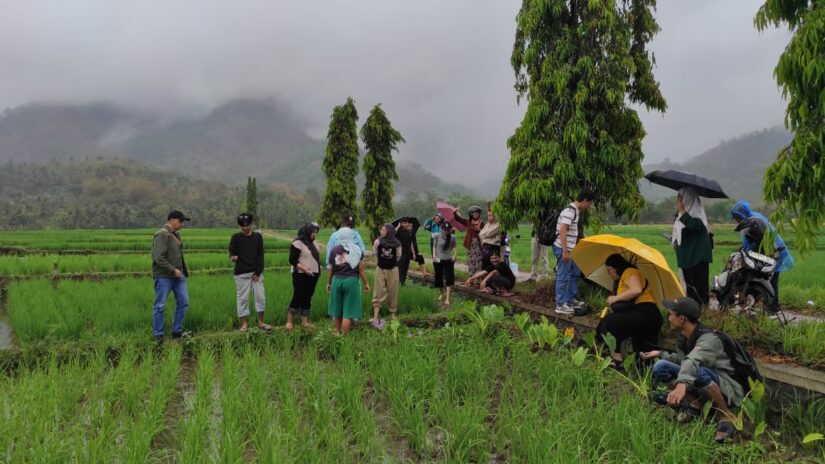
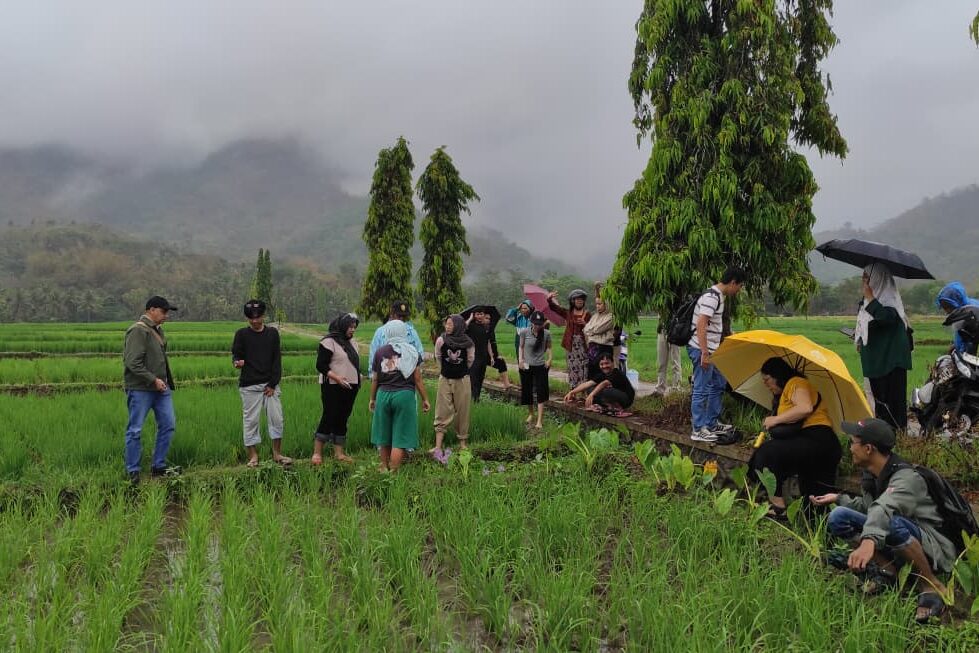
Yogyakarta, October 24th 2026 – Students from the 2026 cohort of the Graduate Program in Religion and Cross-Cultural Studies (CRCS) and the Indonesian Consortium for Religious Studies (ICRS) participated in a field trip to Paguyuban Tani Lestari Paroko Boro, located in Kalibawang District, Kulon Progo Regency, on Saturday, October 24th 2026. The field trip was part of the Religion and Ecology course aimed to explore the role of religion in environmental conservation with sustainable agricultural practices.
The activity was accompanied by the course instructors, Dr. Zainal Abidin Bagir, Prof. Frans Wijsen, and Dr. Najiyah Martiam. This field visit showed the students were encouraged to observe firsthand how religious values can be translated into concrete actions to protect the environment and promote sustainable agriculture.
Paguyuban Tani Lestari Paroko Boro is a farming community affiliated with the Catholic congregation of Boro Parish. The group provides an example of how religious communities can contribute to environmental conservation with sustainable agricultural activities. During the visit, students had the opportunity to engage in direct discussions with members of the Lestari Women Farmers Group (Kelompok Wanita Tani/KWT Lestari) to learn about their experiences, activities, and sustainable farming practices within the local community.
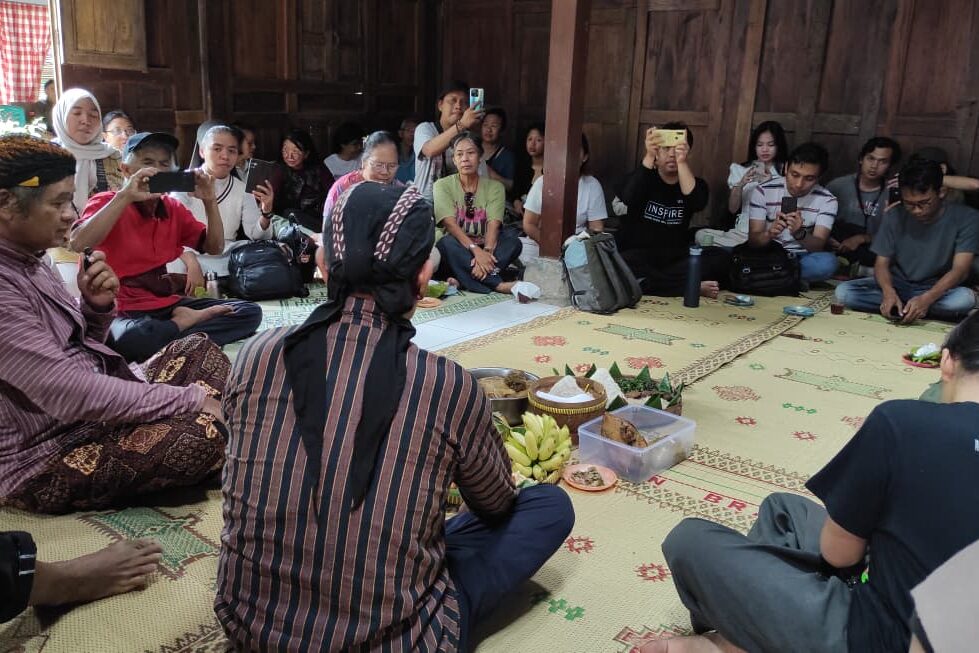
Participants, in addition to the discussions with the farming group, also took part in a traditional kenduri ritual at a local spring in Boro Village. The event also coincided with the celebration of World Food Day. The kenduri served as an opportunity to reflect on the relationship of humans and nature, the importance of protecting water resources, and the significance of food in community life. This local tradition and religious practice demonstrate how environmental awareness can be fostered with spiritual values and community solidarity.
This field trip made students gain valuable contextual learning experiences on the relationship of religion and ecology. The initiatives undertaken by Paguyuban Tani Lestari Paroko Boro demonstrate that religion plays a role not only in spiritual life but also as an ethical and social foundation for fostering collective awareness of environmental conservation and sustainable agriculture.
This activity is expected to broaden students’ perspectives on ecological issues from the viewpoints of religion and local community practices, and encourage greater appreciation of grassroots initiatives aimed at protecting the environment.
Written by: Yeti Susilowati