
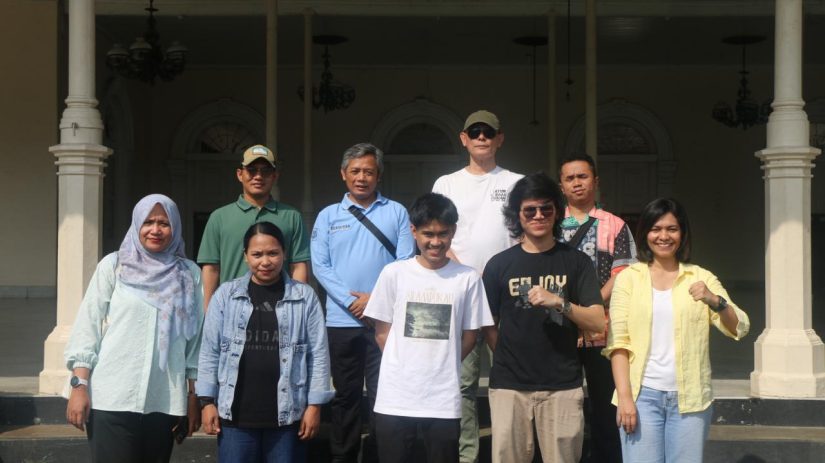
The Inter-Religious Doctoral Program in at the Graduate School of Universitas Gadjah Mada (SPs UGM) organized a field trip as part of the implementation of experiential learning in the History of Religions course. The activity was designed to deepen students’ understanding of the religions historical development, the dynamics of interfaith interactions, and the cultural heritage that has shaped the diversity of Indonesian society to this day.
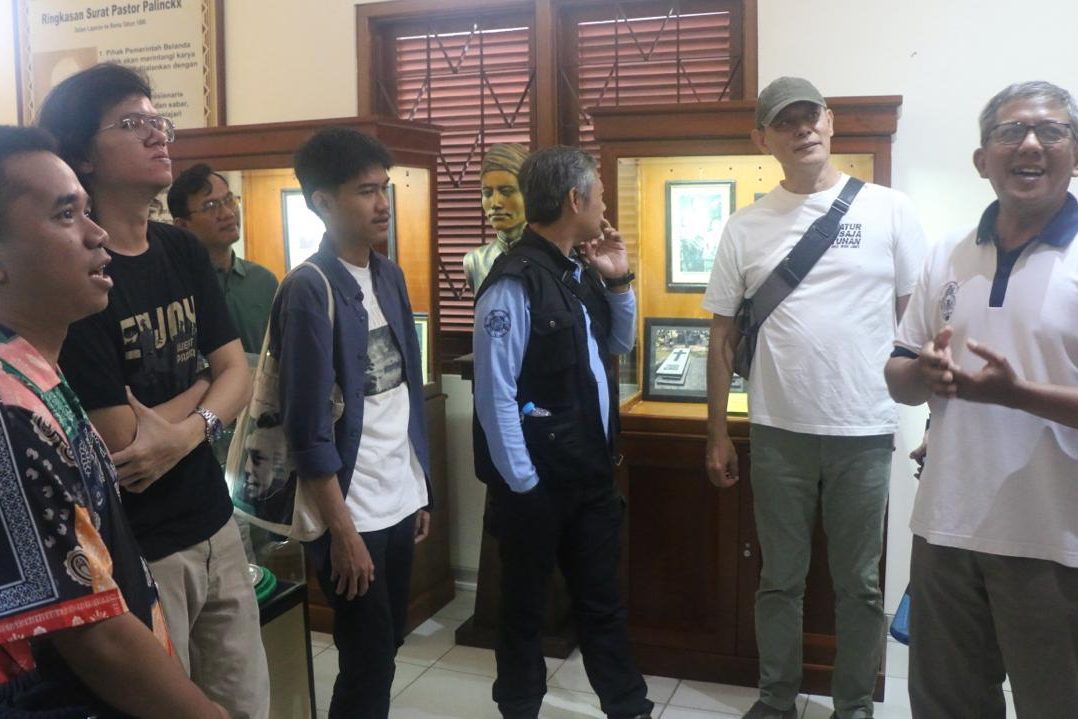
Held on June 1st 2026, the field trip involved students enrolled in the History of Religions course, with visits to several historical sites in Central Java, namely the Muntilan Mission Museum and the Prince Diponegoro Museum in Magelang. The activity was supervised by Dr. Leonard Chrysostomos Epafras and Abdul Wahid, Ph.D.
The first destination was the Muntilan Mission Museum, a historical site that played a significant role in the development of Catholic education and missionary work in Indonesia. The museum preserves a wide range of archives, documentation, and artifacts that record the history of missionary activities that flourished in Java since the early twentieth century. This visit made students gain a more comprehensive understanding of the relationship of religion, education, social services, and the processes of cultural interaction during both the colonial and postcolonial periods. The experience provided an academic space to reflect on religious institutions’ contribution to social development and societal transformation.
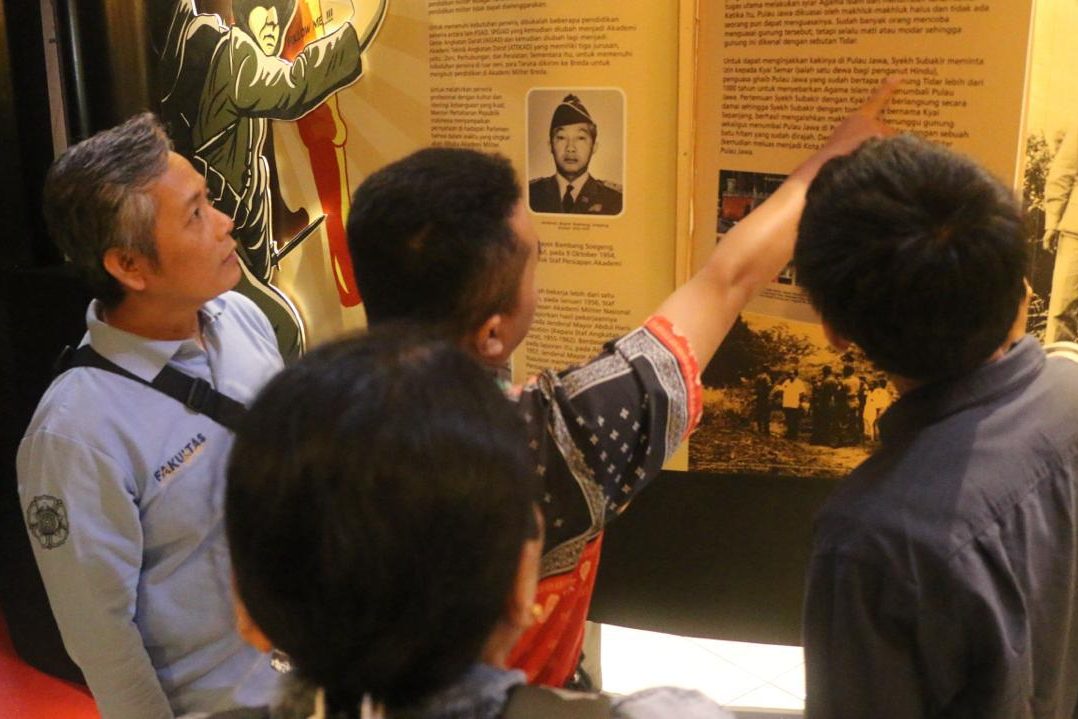
The students then visited the Prince Diponegoro Museum in Magelang, which houses historical records related to Prince Diponegoro’s struggle during the Java War (1825–1830). This visit offered broader perspectives on the interconnectedness of religious identity, nationalism, and anti-colonial resistance movements. For students studying the history of religions, Prince Diponegoro represents an important example of how spiritual values and religious beliefs can inspire social and political struggles.
These visits showed students acquired factual historical knowledge and also encouraged to critically analyze the social, cultural, and religious processes that have shaped Indonesian society. Direct interaction with museum collections, historical documents, and narratives presented by site managers provided a richer learning experience than literature-based learning alone.
The History of Religions Field Trip also served as a platform for developing students’ observational, reflective, and analytical skills in examining religious phenomena within their historical contexts. This approach aligns with the vision of graduate education, which emphasizes the integration of theoretical mastery, empirical understanding, and critical thinking skills in addressing contemporary socio-religious issues.
Author: Siti Muyasaroh