
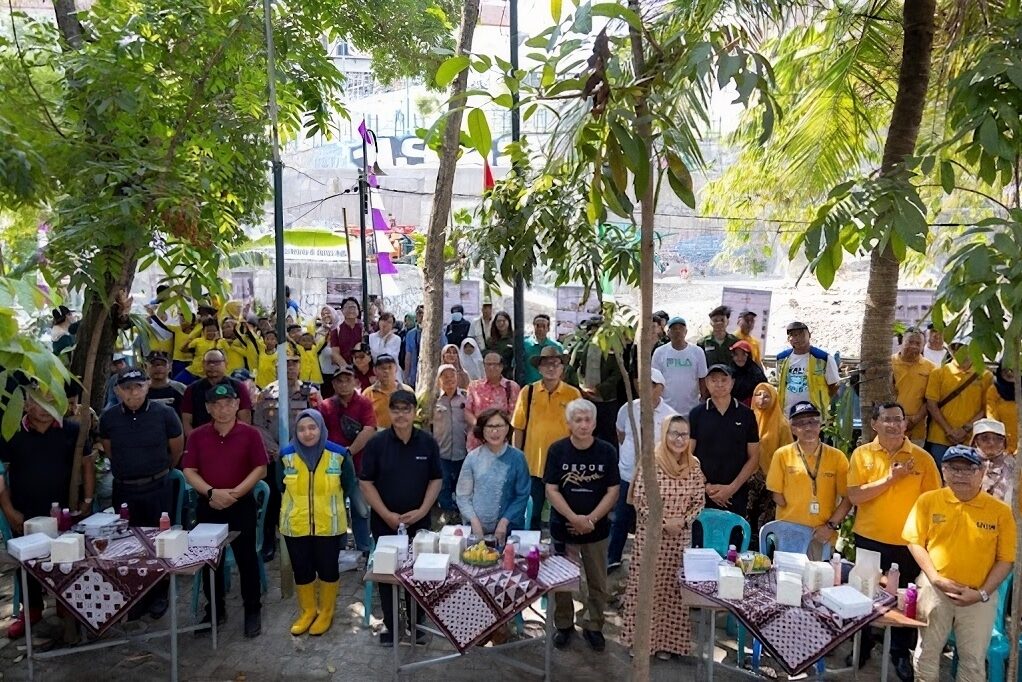
Universitas Gadjah Mada (UGM) is strengthening cross-sector collaboration to preserve the Code River with the “Synergizing, Serving Across City Boundaries: Empowering the Code River, Social Reconstruction along the Code River” initiative. The activity is a collaboration of the UGM Vocational School, the UGM Graduate School (SPs), the Yogyakarta City Government, the Sleman Regency Government, and Pemerti Kali Code.
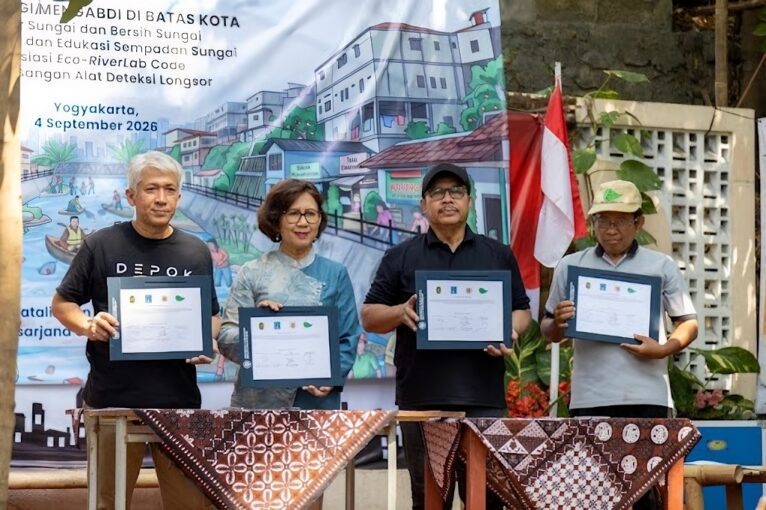
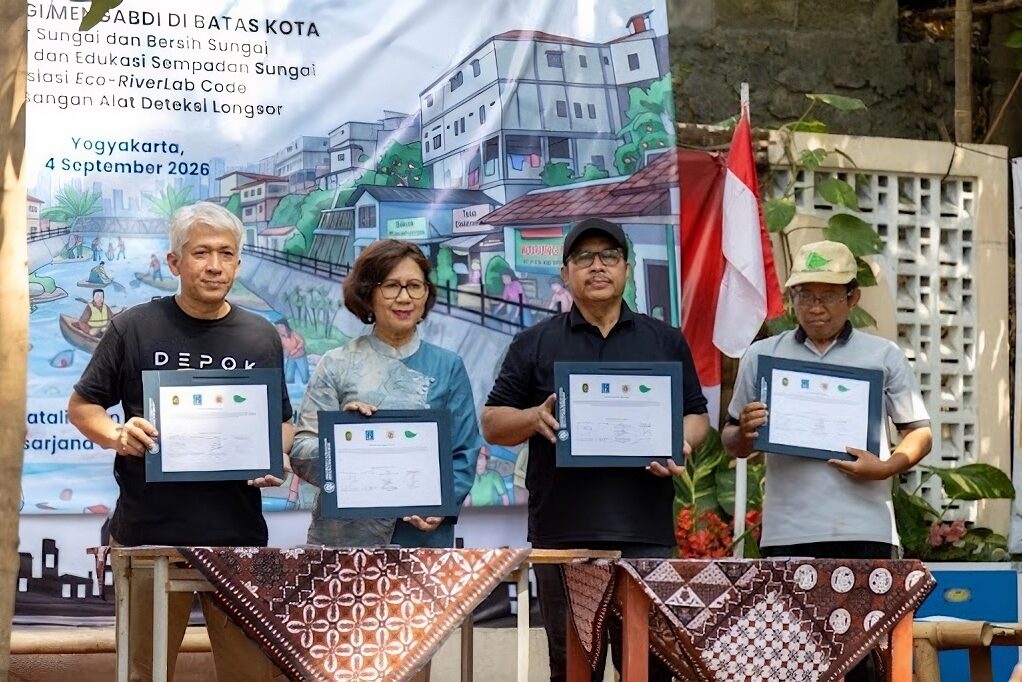
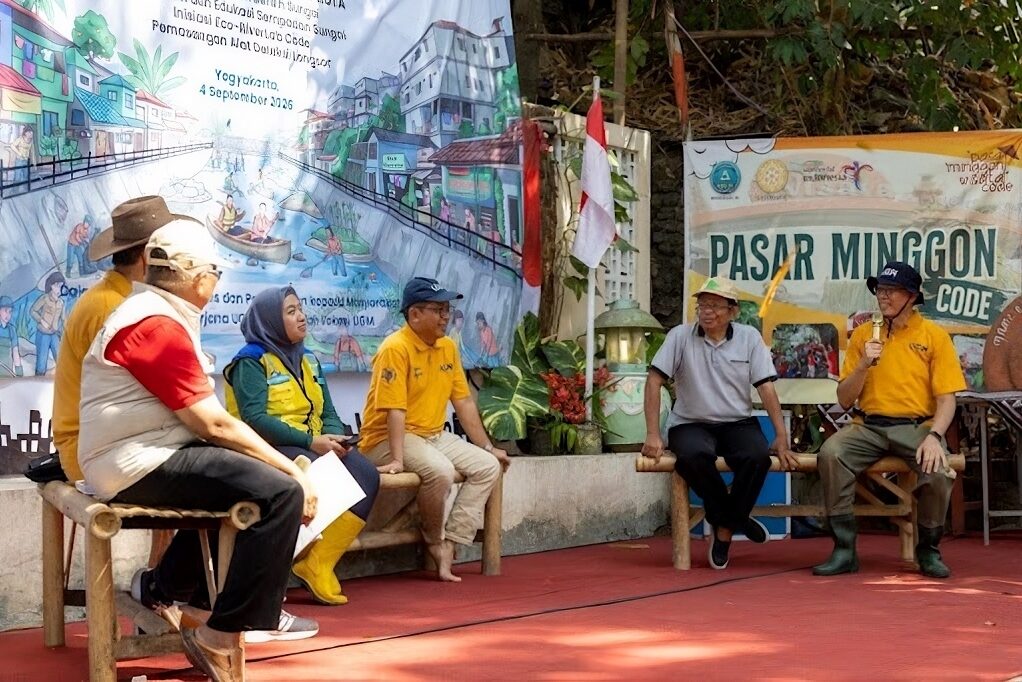
The event held on Friday 4th September 2026, started with a river walk and clean-up along the Code River, followed by efforts to strengthen collaborative agreements among local governments, universities, and communities. This initiative represented a joint effort to establish river governance that focuses on physical cleanliness, and also on changing community behavior and ensuring environmental sustainability.
Yogyakarta Major Hasto Wardoyo emphasized the importance of bringing together key stakeholders to address the challenges facing the Code River. According to him, collaboration between UGM, the Yogyakarta City Government, and the Sleman Regency Government is a strategic step toward addressing the problem of river pollution caused by waste.
“This brings together three key stakeholders: UGM, the City Government, and the Sleman Regency Government. It is a strategic step to address the problem of waste polluting the river. The long-term goal is to change community behavior and raise awareness about waste disposal, so that the river is free of waste, the river ecosystem remains healthy, and tourism can become an added benefit.”
The management of the Code River is expected to encourage sustainable changes in community behavior with this approach. The river is viewed not merely as a waterway, but also as a living space with social, economic, and ecological value for communities along its banks.
The Dean of the UGM Graduate School emphasized that the success of river management should be assessed in terms of the river’s long-term sustainability. “A successful river is one that does not dry up during the dry season and does not flood during the rainy season.”
This statement underscores that the success of the Code River’s management cannot be measured solely by its cleanliness, but also by its ability to maintain ecological balance, reduce disaster risks, and support the quality of life of surrounding communities.
Meanwhile, UGM Rector Prof. Ova Emilia stated that UGM has a direct connection with the Code River, making its preservation a shared responsibility. “UGM is a close neighbor of the Code River. Whatever needs to be protected is something we need to work on together.”
This commitment is part of UGM’s efforts to make a meaningful contribution with knowledge, community engagement, and cross-sector collaboration. The collaboration of the UGM Vocational School, the UGM Graduate School, the Yogyakarta City Government, the Sleman Regency Government, and Pemerti Kali Code is expected to strengthen synergy in managing the Code River from upstream to downstream.
The sustained collaboration showed the Code River is expected to become an example of community-based river management that not only preserves environmental cleanliness and sustainability, but also strengthens social, economic, and ecological resilience in urban areas.
Written by: ArfikahI