• About UGM
  • Students Portal
  • Library
  • IT Center
  • UGM Mail
  • Informasi Publik
  • English
    • Bahasa Indonesia
    • English
Universitas Gadjah Mada THE GRADUATE SCHOOL OF
UNIVERSITAS GADJAH MADA
  • Home
  • About Us
    • About Us
    • Excellence
    • Status
    • Management Structure
    • Campus Life
    • Facilities and Services
    • Contact Us
  • Academics
    • Announcement
    • Academic Documents
    • Academic Calendar
  • Admission
    • Study Programs
    • Scholarships
    • Admission Requirements
    • How to Apply
    • Registration
  • Activities
    • Events
    • News
    • Research
    • Community Service
    • Universitas Gadjah Mada
  • Publication
  • Home
  • News
  • Examining Peri-Urban Food Security: Research in Sindangwangi Village, Majalengka Regency

Examining Peri-Urban Food Security: Research in Sindangwangi Village, Majalengka Regency

  • News
  • 27 July 2026, 14.26
  • Oleh: pudji_w
  • 0

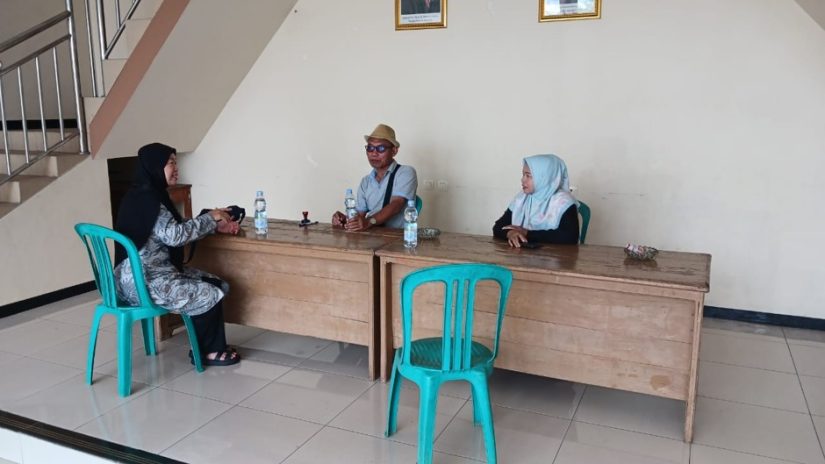
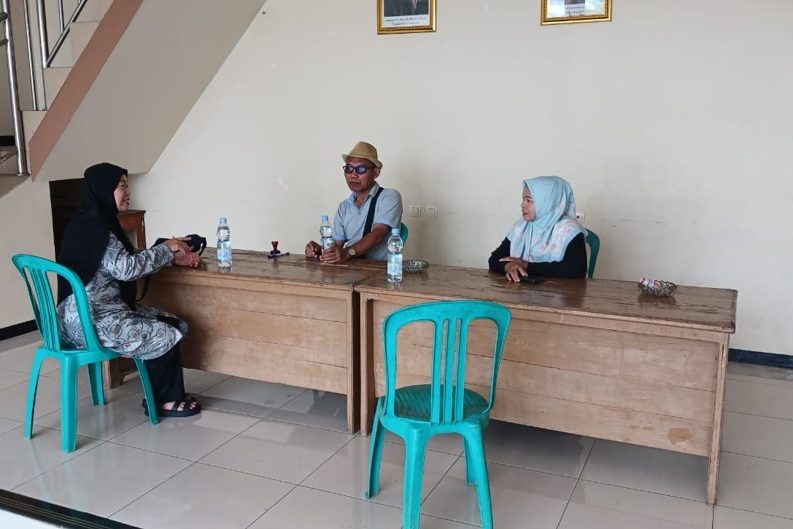
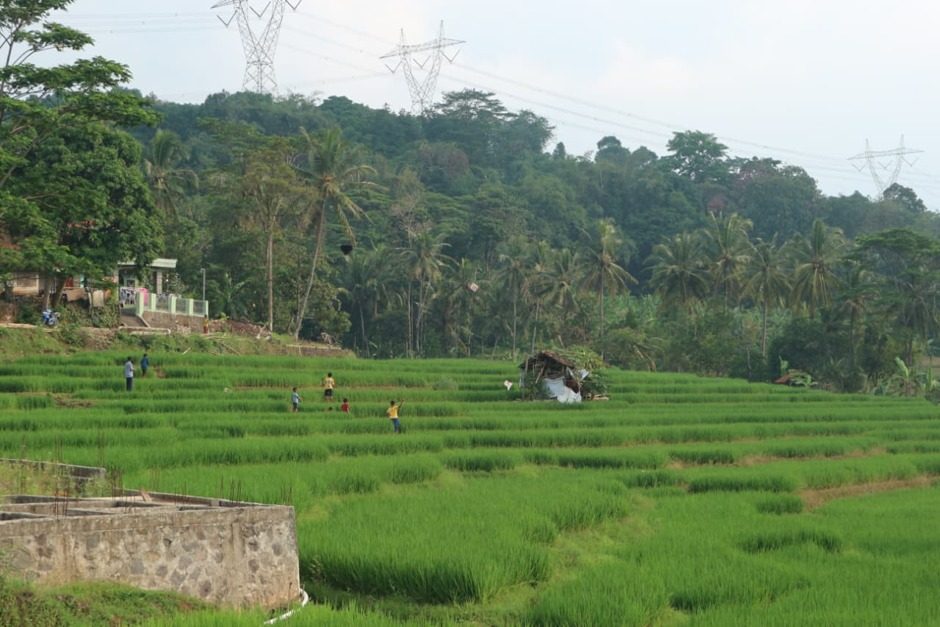
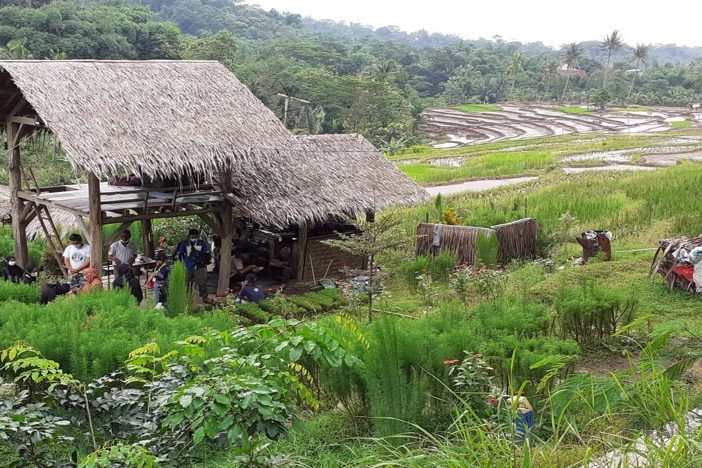
The research entitled “Food Security in the Peri-Urban Area of Majalengka Regency (A Case Study of Sindangwangi Village)” was led by Prof. Dr. Sri Rum Giyarsih, S.Si., M.Si. in 2026. This study aligns with Sustainable Development Goal (SDG) 2: Zero Hunger. It also addressed one of the nation’s key challenges, namely food security in peri-urban areas.

The research was conducted in Majalengka Regency, a partner of Universitas Gadjah Mada in research and community service activities. The urgency of this study lies in the alignment of its theme with the National Research Priorities (PRN) and Universitas Gadjah Mada’s research priorities. The originality of this research is reflected in its focus on food security in peri-urban areas.

The objective of this study is analyzing the food security conditions in Sindangwangi Village by projecting long-term rice availability and demand from 2020 to 2050. The study used a quantitative descriptive method using a linear projection approach based on secondary data, including population size, harvested area, rice productivity, and annual cropping frequency. Rice demand is estimated using three approaches: the Minimum Physical Requirement (KFM), the Food Security Council (DKP), and the Decent Living Needs (KHL).

The findings showed a declining trend in rice availability over time, while demand remains high even as the population decreases, resulting in a persistent food deficit from year to year. This condition showed that local production is insufficient to meet the rice needs of the village community. Therefore, comprehensive food security strategies are needed, including increasing agricultural productivity, strengthening farmer institutions, and improving the efficiency of harvest distribution to establish a sustainable food security system in Sindangwangi Village.

Author: Sri Rum Giyarsih

Editor: Siti Muyasaroh

Tags: food security peri urban SDG 2: Zero Hunger

Recent Posts

  • Chief of Performing Arts and Fine Arts Master Program at UGM Graduate School Performed at the 4th Period Graduation Ceremony for Graduate Programs, Academic Year 2025/2026
  • UGM Graduate School Promoted Agricultural Digitalization and Local Food Diversification with Community Service Program in Bleberan Village
  • UGM Graduate School Introduced Its Academic Programs at RailwayTech Indonesia 2026
  • International Students Enthusiastically Participated in Gamelan and Traditional Dance Workshop at SPs UGM
  • PSPSR Students of UGM Graduate School Performed Gamelan and Dance at the 59th Faculty of Philosophy Karawitan Festival
Universitas Gadjah Mada
THE GRADUATE SCHOOL OF
UNIVERSITAS GADJAH MADA
Jl. Teknika Utara, Pogung, Sinduadi, Mlati, Sleman, Yogyakarta, 55284
Telp. (0274) 544975, 564239
Email : sps@ugm.ac.id

© Universitas Gadjah Mada

KEBIJAKAN PRIVASI/PRIVACY POLICY

[EN] We use cookies to help our viewer get the best experience on our website. -- [ID] Kami menggunakan cookie untuk membantu pengunjung kami mendapatkan pengalaman terbaik di situs web kami.I Agree / Saya Setuju