
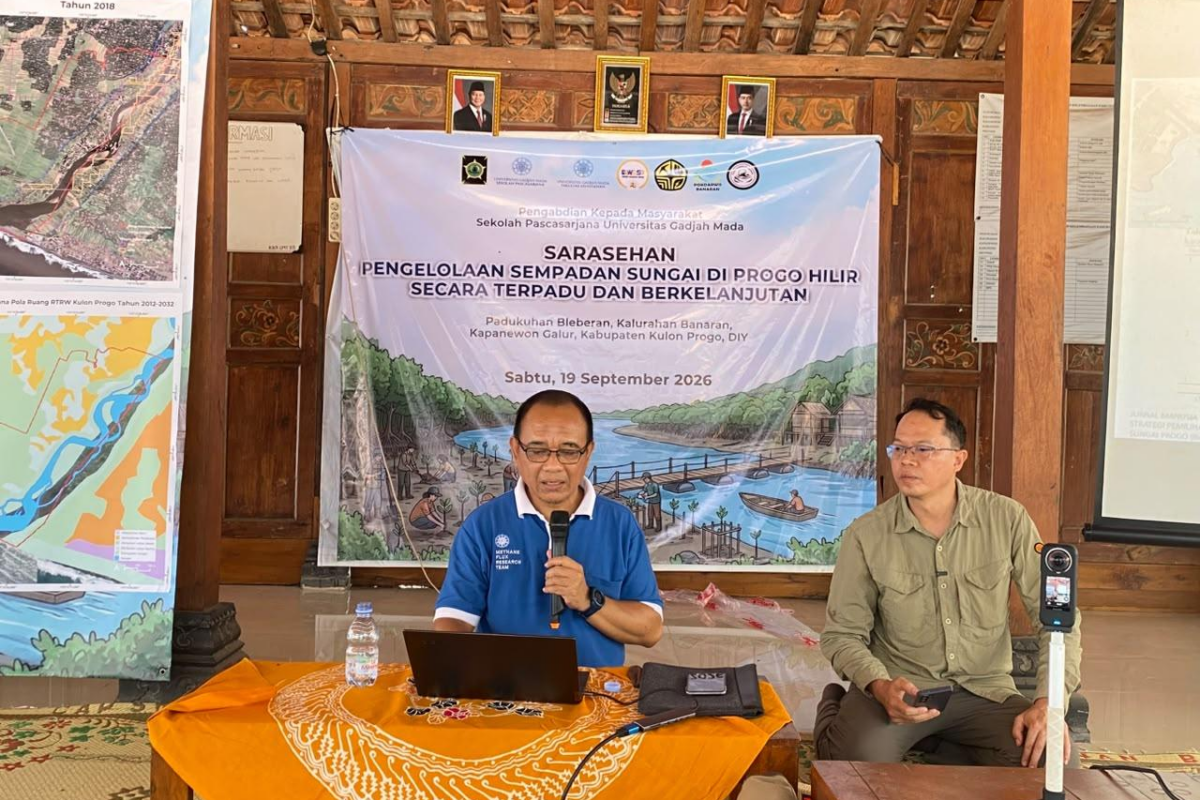
Kulon Progo (19/9) — The Graduate School of Universitas Gadjah Mada (SPs UGM), together with local communities and stakeholders, held a discussion and educational forum on integrated and sustainable sediment management in the Lower Progo River on Saturday (19/9) at Bleberan Hall, Banaran Village, Galur District, Kulon Progo.
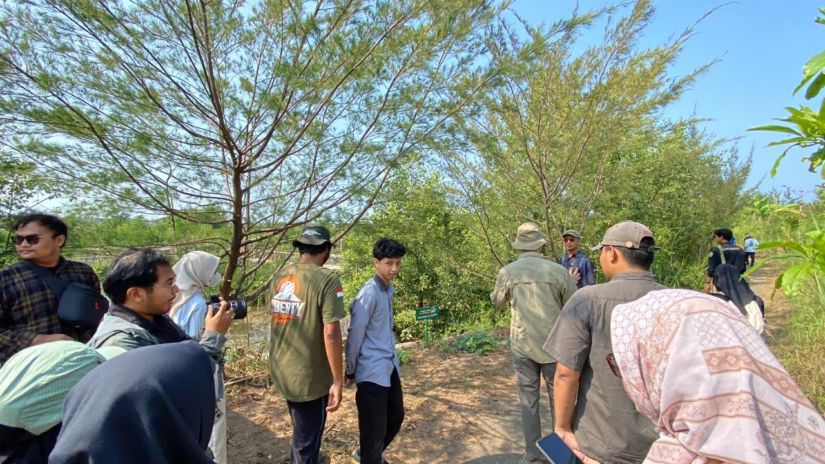
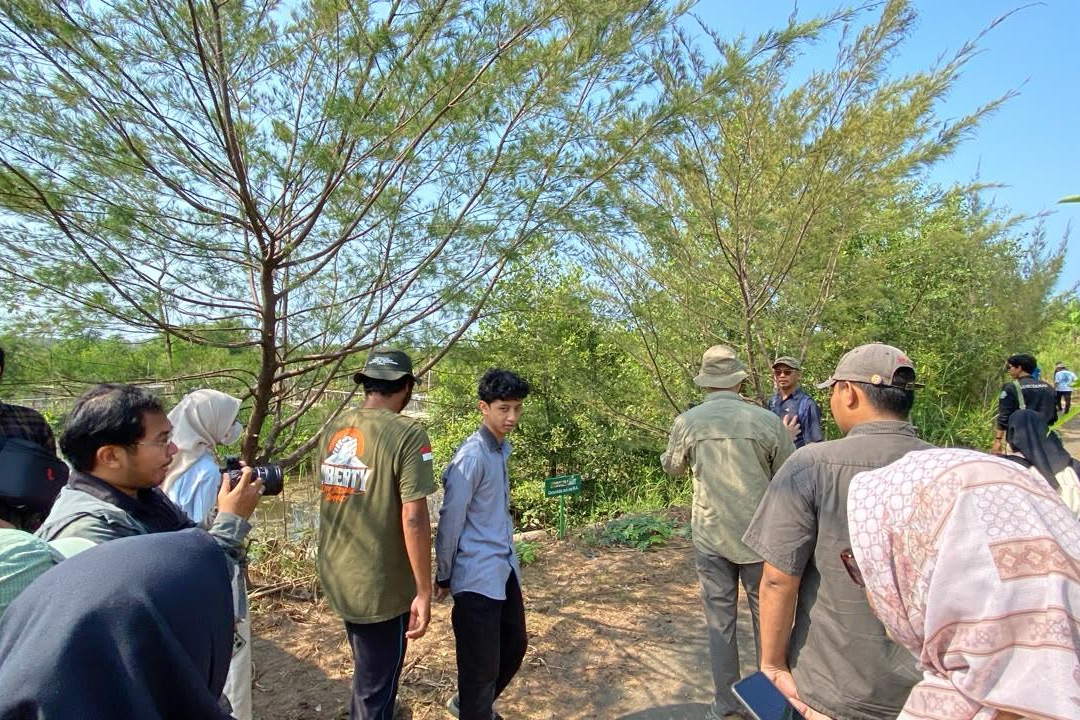
The activity began with a field visit to a mangrove conservation area, followed by a discussion and cross-sectoral dialogue. The forum addressed the management of post-mining areas in a manner that is spatially safe and ecologically sustainable, while also exploring the potential for biodiversity-based educational ecotourism as an alternative means for strengthening the local economy.
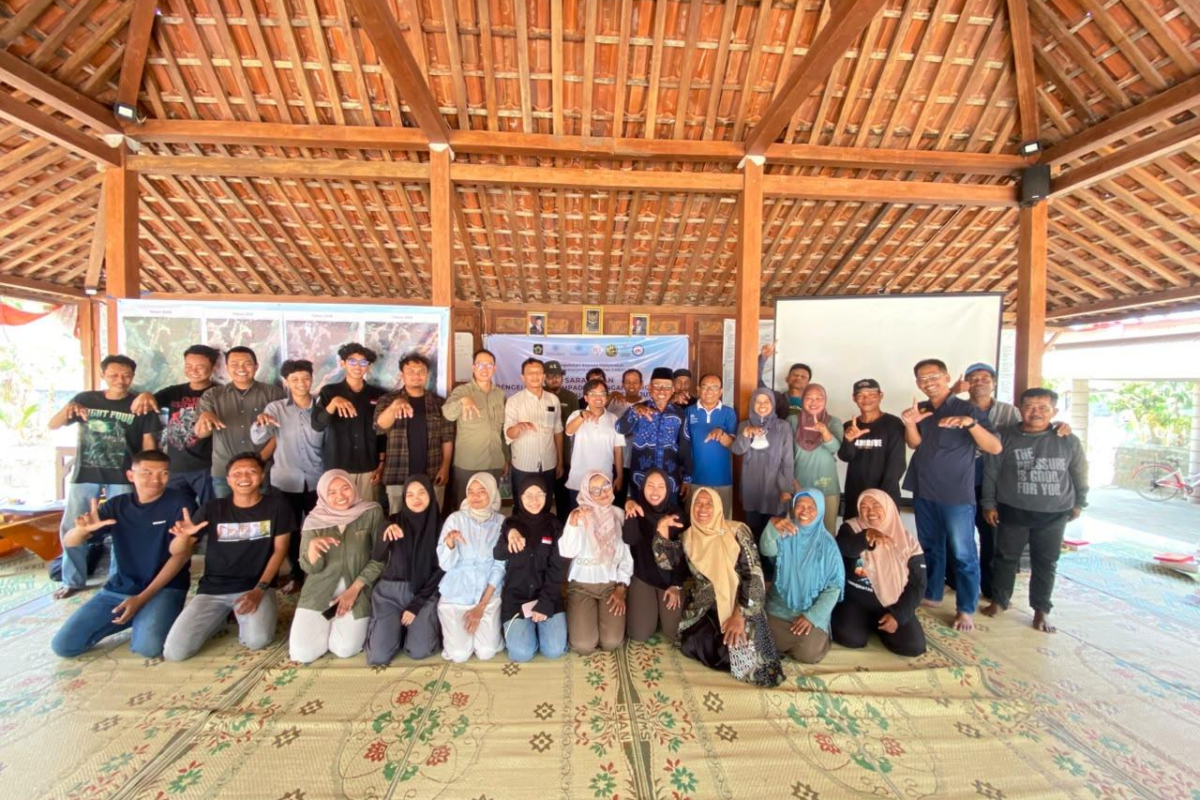
The discussion also served as a platform to strengthen collaboration among Forest Farmer Groups (KTH), Tourism Awareness Groups (Pokdarwis), the village government, and academics from SPs UGM. This collaboration is expected to support the development of community-based nature tourism while maintaining the ecological functions of the Lower Progo River area.
This initiative showed SPs UGM is promoting the use of academic knowledge and local potential to establish environmental management. The management is collaborative, productive, and sustainable, and also provides tangible benefits to communities living around the Lower Progo River.
The Chief of the SPs UGM Community Service Program (PkM) Team, Muhammad Sulaiman, S.T., M.T., D.Eng., explained that the activity was part of an effort to manage post-mining areas.
“One of the issues of concern is the management of post-mining areas. Managing these areas requires a spatially safe approach and also preserving their ecological functions. In this context, dialogue among communities, government, and academia is essential to developing management alternatives that are appropriate to the characteristics of the area and the needs of the local community.”
The activity also strengthened the role of higher education institutions in assisting communities and local governments in finding knowledge-based solutions to environmental management challenges and local economic development. Various institutions and organizations involved in the activity included the Serayu Opak River Basin Center (BBWS SO), the Yogyakarta Special Region Public Works, Housing, and Energy and Mineral Resources Agency (DPUPESDM DIY), and the Faculty of Forestry at UGM.
The collaboration among communities, government, and academia from the Lower Progo River is expected to become the foundation for developing a management model that not only protects the environment but also creates economic opportunities and sustainably improves community welfare. (suronokarti)