
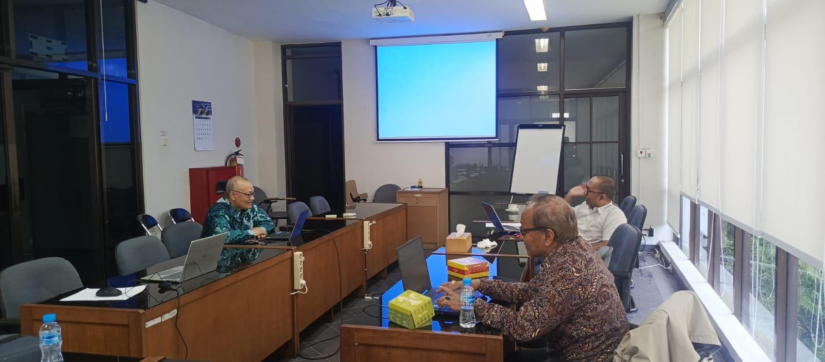
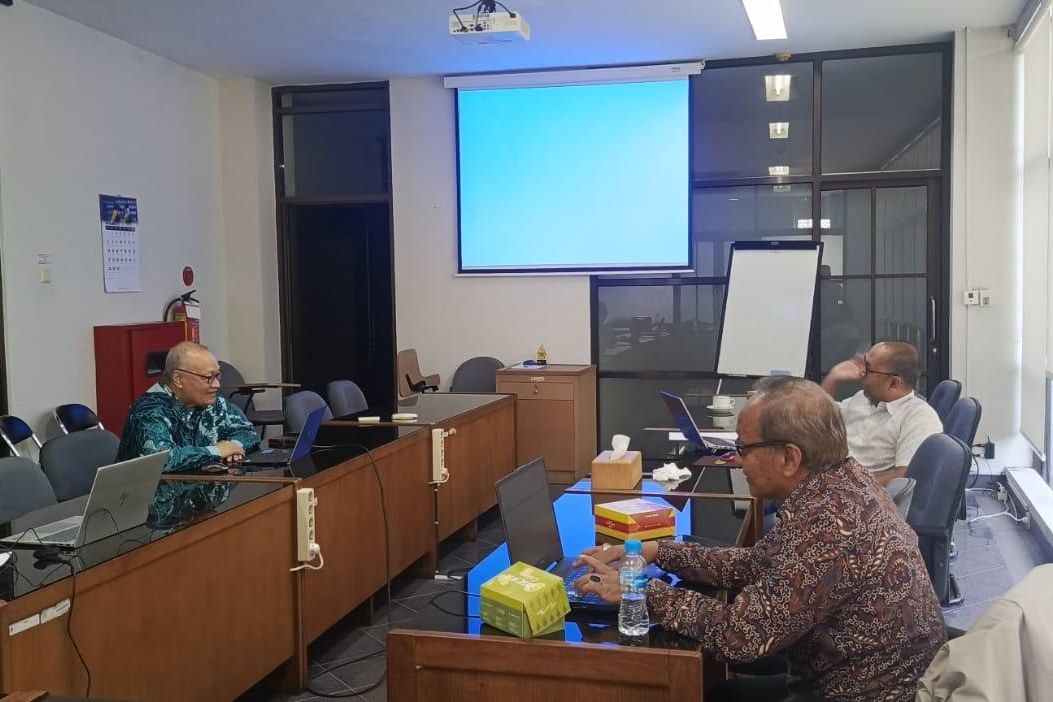
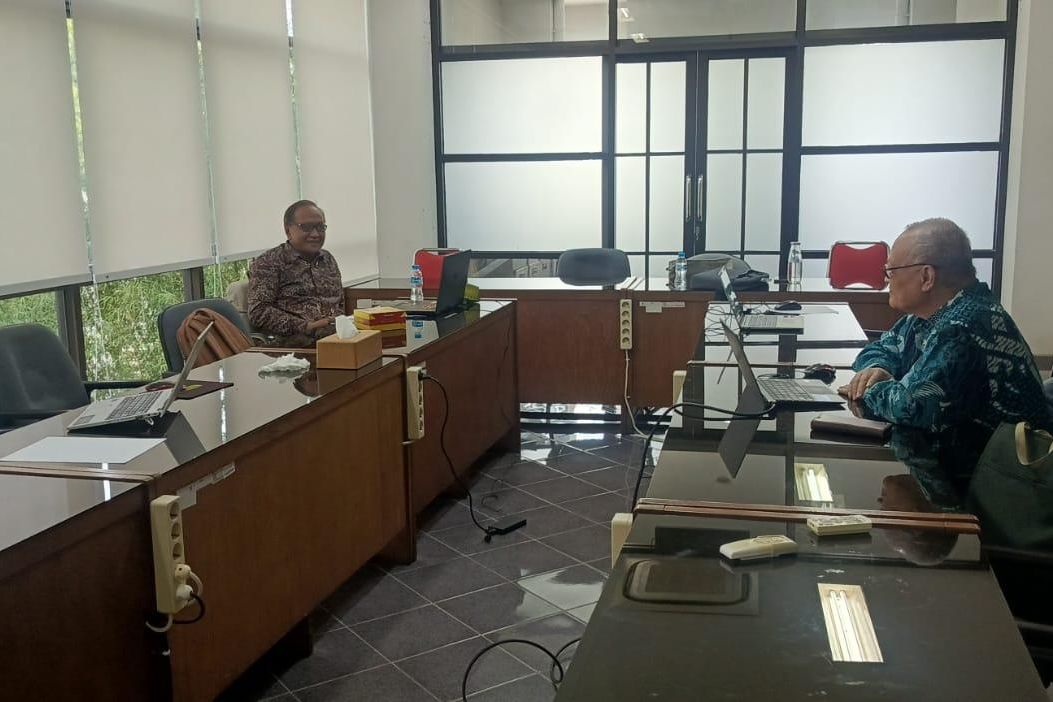
Yogyakarta (September 3) — The Graduate School of Universitas Gadjah Mada (SPs UGM) conducted Monitoring and Evaluation (MonEv) activities for the 2026 SPs UGM Regular Community Service Grants (PkM) on September 1st–3rd 2026. This activity is an important part of ensuring that community service programs are implemented in accordance with the established plans, targets, and expected outputs.
This year’s MonEv was attended by 31 applicants for the 2026 SPs UGM Regular Community Service Grants. The programs are implemented with three schemes: Assisted Villages and Communities, Appropriate Technology, and Education for Sustainable Development. These three schemes are designed to encourage meaningful contributions from the academic community in addressing various societal challenges and strengthening the sustainability of development at the local level.
SPs UGM, in its implementation, places particular attention on several areas and community groups prioritized under the 2026 Community Service Program. These priorities include the Getas Forest for Special Purpose (KHDTK Getas), areas or communities surrounding the UGM campus with partnerships with SPs UGM, as well as communities that have been SPs UGM partners in previous years.
The monitoring and evaluation process was conducted to assess the progress of each program, activity achievements, alignment of implementation and the approved proposals, and the various outputs that have been produced. In addition, MonEv served as a forum for grant recipients to present their program progress, challenges encountered in the field, innovations implemented, and strategies for ensuring the sustainability of their activities.
SPs UGM, In addition to the Regular Community Service Grants in 2026 also mandated the implementation of community service activities focusing on border areas and 3T regions (underdeveloped, frontier, and outermost regions). This policy reflects SPs UGM’s commitment to expand the contribution of higher education institutions, particularly in strengthening community capacity and supporting development in areas facing more complex geographical and social challenges.
Through these various schemes and priorities, SPs UGM seeks to make community service an integral part of the implementation of the Three Pillars of Higher Education (Tridharma Perguruan Tinggi). The knowledge, expertise, and innovations possessed by the academic community are expected to be directly applied to support communities and generating community service models that can be replicated in other regions.
The support of the academic community, community partners, and various stakeholder made SPs UGM continues to demonstrate its commitment to deliver relevant and sustainable community service initiatives that create a tangible impact on society, both in areas surrounding the campus and across various regions of Indonesia.