
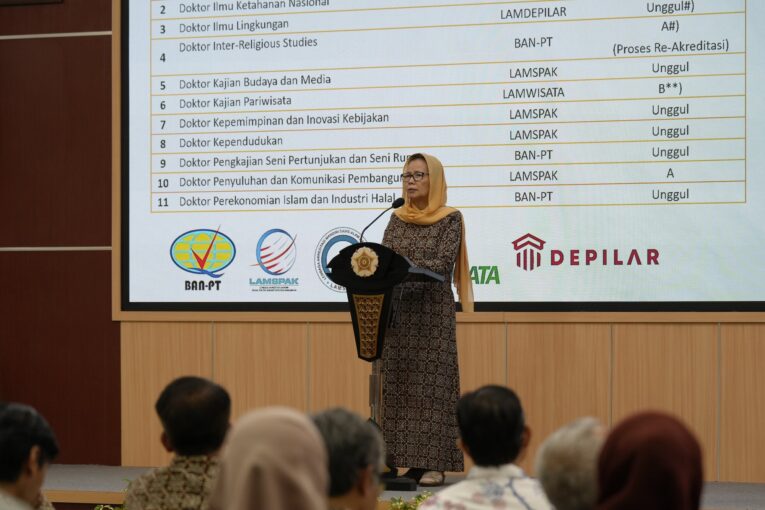
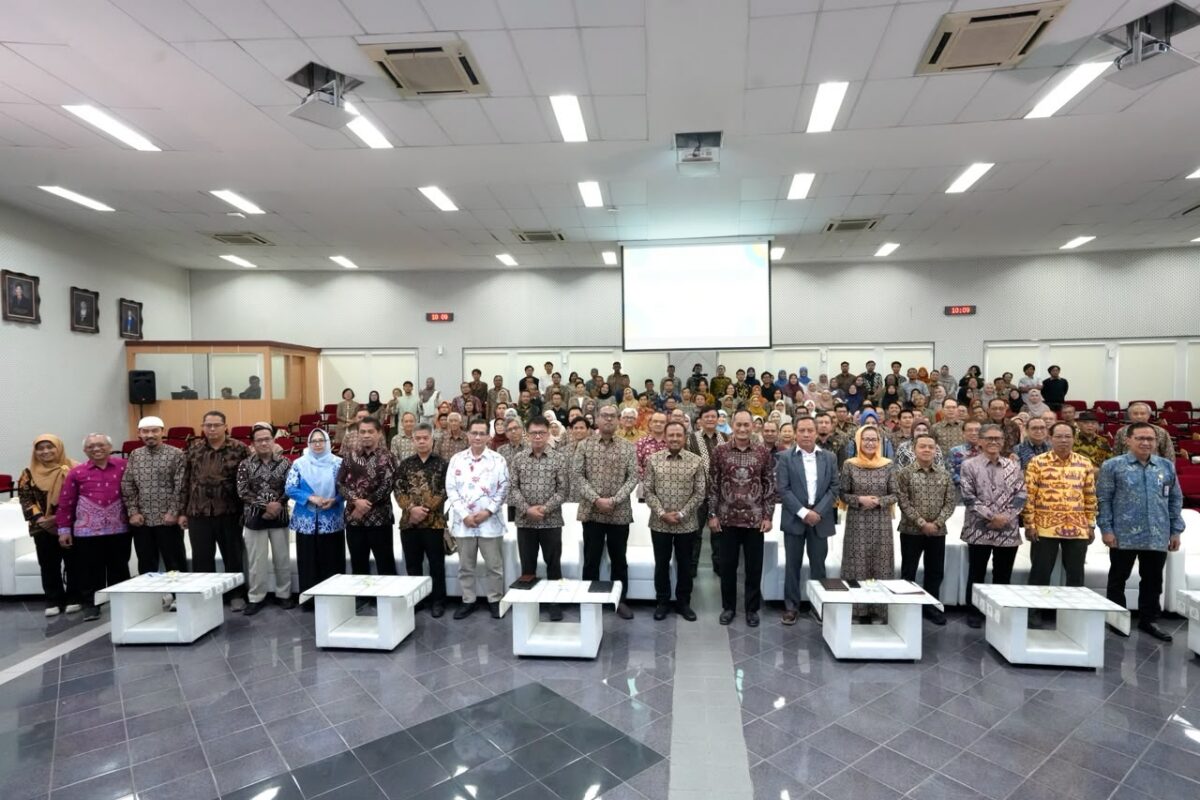
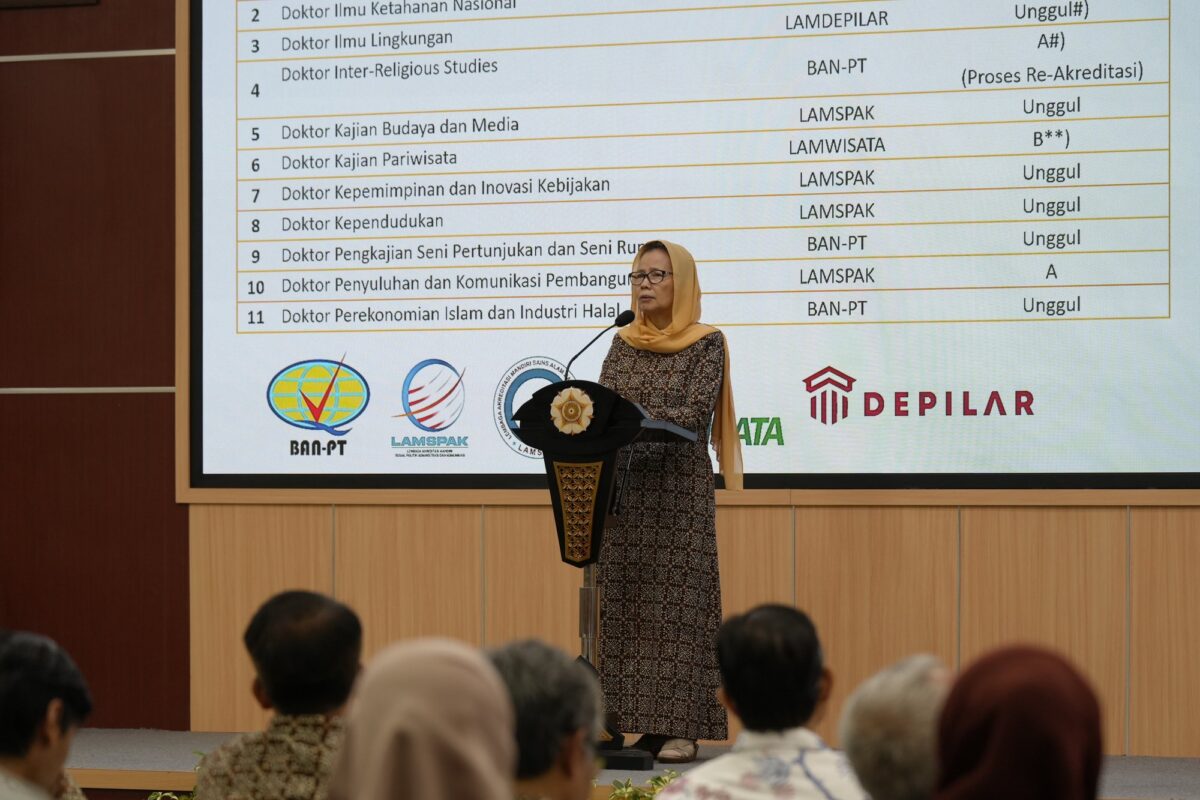
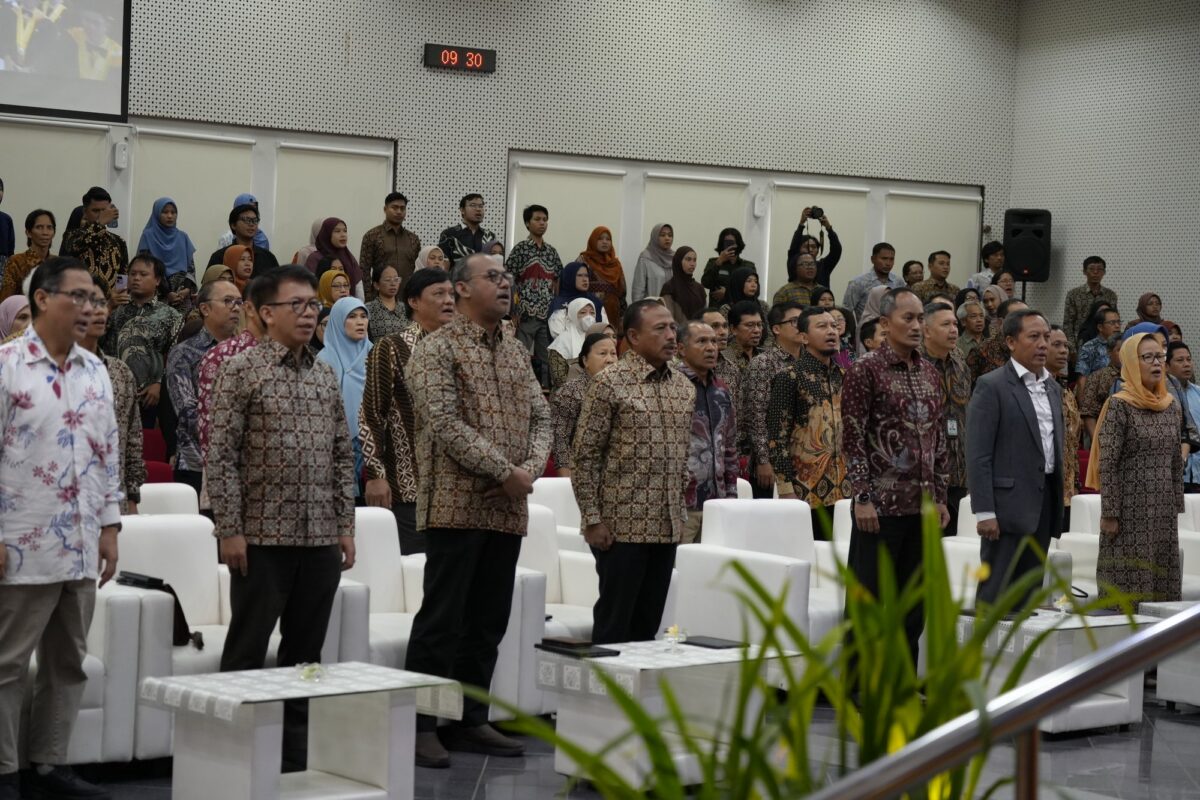
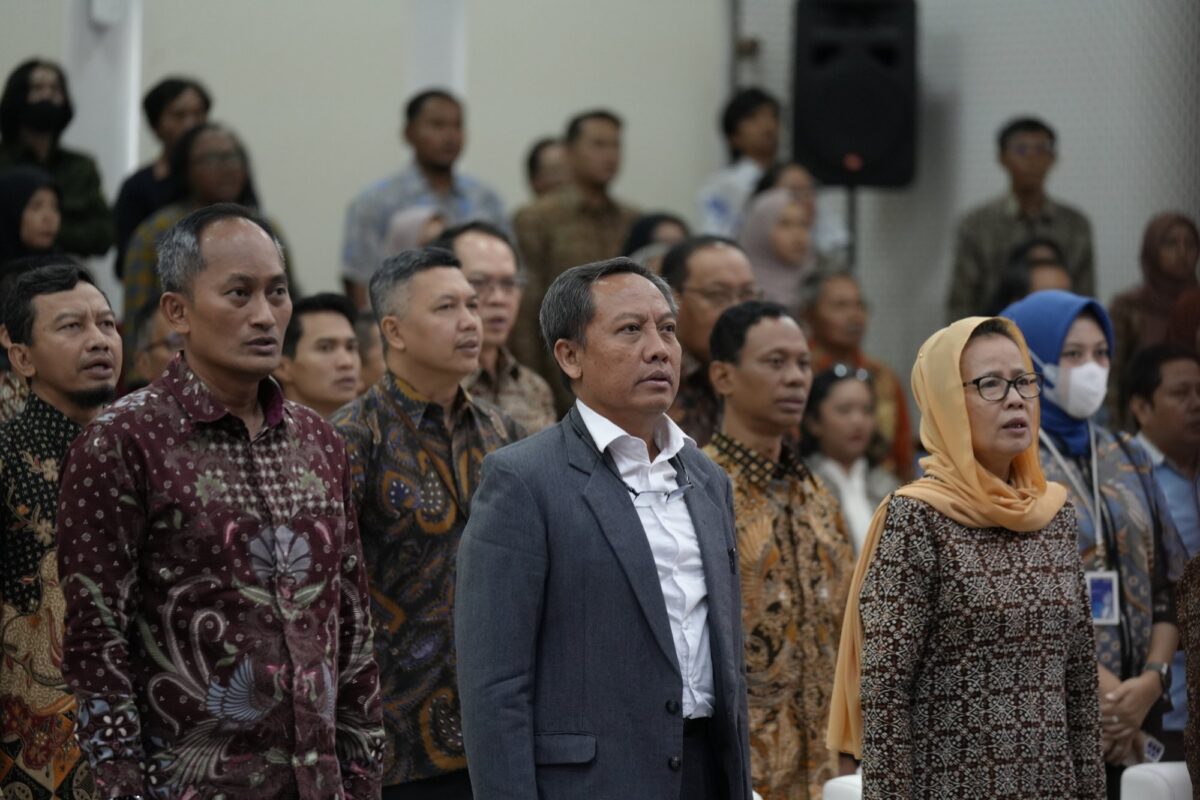
Yogyakarta, October 15th 2026 — The Graduate School of Universitas Gadjah Mada (SPs UGM) convened an Open Senate Meeting to mark the culmination of its 43rd Anniversary, carrying the theme “Resilience Toward Golden Indonesia: Sustainable, Glorious, and Transdisciplinary”. This annual event served as a prestigious platform to honor the institution’s performance achievements on academic, research, and community outreach domains. In the presentation of the Dean’s Annual Report, Prof. Dr. Siti Malkhamah, M.Sc., affirmed that SPs UGM consistently fulfills its mandate to become an internationally benchmarked graduate school. Currently, SPs UGM administers 14 Master’s and 11 Doctoral interdisciplinary study programs with diverse scientific fields. The majority of these study programs have successfully attained “Excellent” (Unggul) national accreditation status as well as prominent international recognition. These administrative and academic accomplishments reinforce SPs UGM’s strategic position as a pioneer of transdisciplinary graduate education in Indonesia.
The domain of academics and student affairs shows SPs UGM recorded highly dynamic learning activities with a total of 1,526 active students currently enrolled. This figure includes 523 newly admitted students, among whom are international scholars originating from various partner institutions worldwide. The continuous enhancement of educational quality is fully supported by cross-disciplinary teaching collaborations involving 22 core internal SPs UGM faculty members. Furthermore, the academic process is strengthened by 329 faculty members from various departments across UGM, visiting professors, and foreign scholars. Program managers also engage 14 experienced industry practitioners to impart practical insights relevant to contemporary global workforce demands. This integrated educational framework ensures that graduates possess strong leadership competencies and adaptable scientific expertise.
A primary institutional priority is advancing the Sustainable Development Goals (SDGs) and cultivating an inclusive academic environment for the entire campus community. This environmental commitment is established with green landscape management, integrated waste processing, and autonomous retention pond development. Regarding campus accessibility, the institution provides physical infrastructure specifically designed to accommodate individuals with disabilities across all main facilities. Student welfare support is further enhanced with comprehensive mental health services, the Health Promoting University framework, and the dedicated PPKS team. Additionally, SPs UGM distributed 101 scholarship packages to support academic continuity for students from diverse socio-economic backgrounds. These comprehensive initiatives underscore institutional dedication toward creating a safe, conducive, and equitable learning environment.
Research productivity and community outreach performance likewise exhibited a remarkably positive trajectory, highlighted by 475 published research titles. This academic achievement was reinforced by the official launch of 10 new Massive Open Online Course (MOOC) modules accessible to the global public. Furthermore, SPs UGM consistently manages Scopus-indexed scholarly journals and successfully convenes numerous international academic conferences annually. A premier point of institutional pride is securing a world ranking of 45th in the subject area of Theology, Divinity, and Religious Studies. These research capabilities extend beyond theoretical frameworks with tangible downstream applications directly serving public interests. Concrete research implementations include the Innovation School initiative, cardiac stem cell technologies, traffic safety education across Yogyakarta, and mosque-based economic empowerment programs.
Concluding the Annual Report presentation, Prof. Siti Malkhamah outlined the institution’s strategic direction for navigating future global challenges effectively. She emphasized that SPs UGM is projected to serve as a policy innovation hub providing direct contributions to national policy formulation. Furthermore, the institution remains committed to pioneering transdisciplinary education capable of addressing complex societal challenges in an inclusive manner. The synergy of research excellence, pedagogical innovation, and community engagement will be continuously strengthened to support national development goals. Institutional leadership expressed deep appreciation to all academic community members and international partners for their steadfast dedication. The 43rd Anniversary celebration concluded with a shared commitment to advance toward a glorious and sustainable future in higher education.
Author: Nadia Fadlillah Daniswari
Editor: Berlian Belasuni