Yogyakarta, June 25th 2026 – The Graduate School of Universitas Gadjah Mada (SPs UGM) participated in the routine traditional regional attire as part of the university’s Kamis Pon cultural initiative. This activity reflects SPs UGM’s commitment to preserving Indonesia’s rich cultural heritage while reinforcing Universitas Gadjah Mada’s identity as a National University and the Nation’s Center of Culture.
The implementation of the traditional attire policy is based on Circular Letter No. 400.5.9.1/40 of 2024 issued by the Special Region of Yogyakarta Government regarding the use of Traditional Javanese Attire of Yogyakarta, as well as Rector Regulation of Universitas Gadjah Mada No. 87/UN1.P/KP.06.04/2024 concerning the Wearing of Traditional Regional Attire. Beginning in 2026, the wearing of traditional regional attire has been carried out routinely every Kamis Pon as part of efforts to internalize cultural values while commemorating the Anniversary of the Special Region of Yogyakarta.
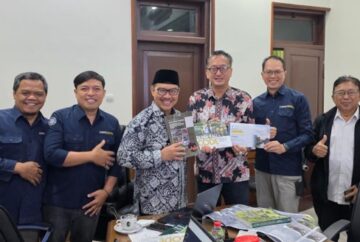
This initiative showed members of the SPs UGM academic community not only wear traditional attire in compliance with institutional policy but also demonstrate their appreciation for Indonesia’s cultural heritage, strengthen the spirit of nationalism, and foster a sense of togetherness within the campus community.
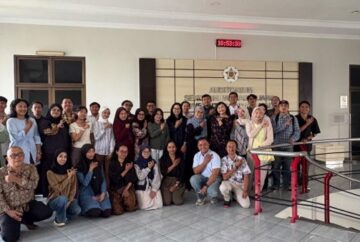
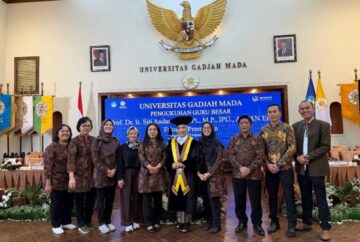
The diverse traditional attire worn by faculty members, staff, and students reflects the richness of Indonesia’s cultural diversity while serving as an educational medium to introduce the nation’s noble cultural values to the university community. The presence of the academic community dressed in traditional attire also creates a vibrant campus atmosphere and reinforces the cultural identity that distinguishes Universitas Gadjah Mada.
SPs UGM remains committed to support cultural preservation initiatives with the implementation of policies that align with the university’s core values. It is hoped that the routine wearing of traditional regional attire every Kamis Pon will become more than a ceremonial practice, inspiring pride in Indonesia’s cultural heritage and encouraging the academic community to preserve and promote it amid the challenges of a rapidly changing world.
Author: Arfikah I.