
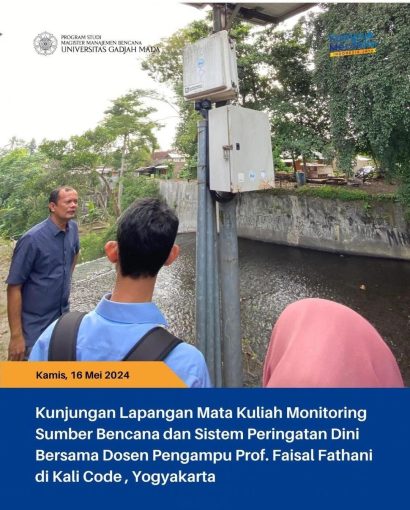
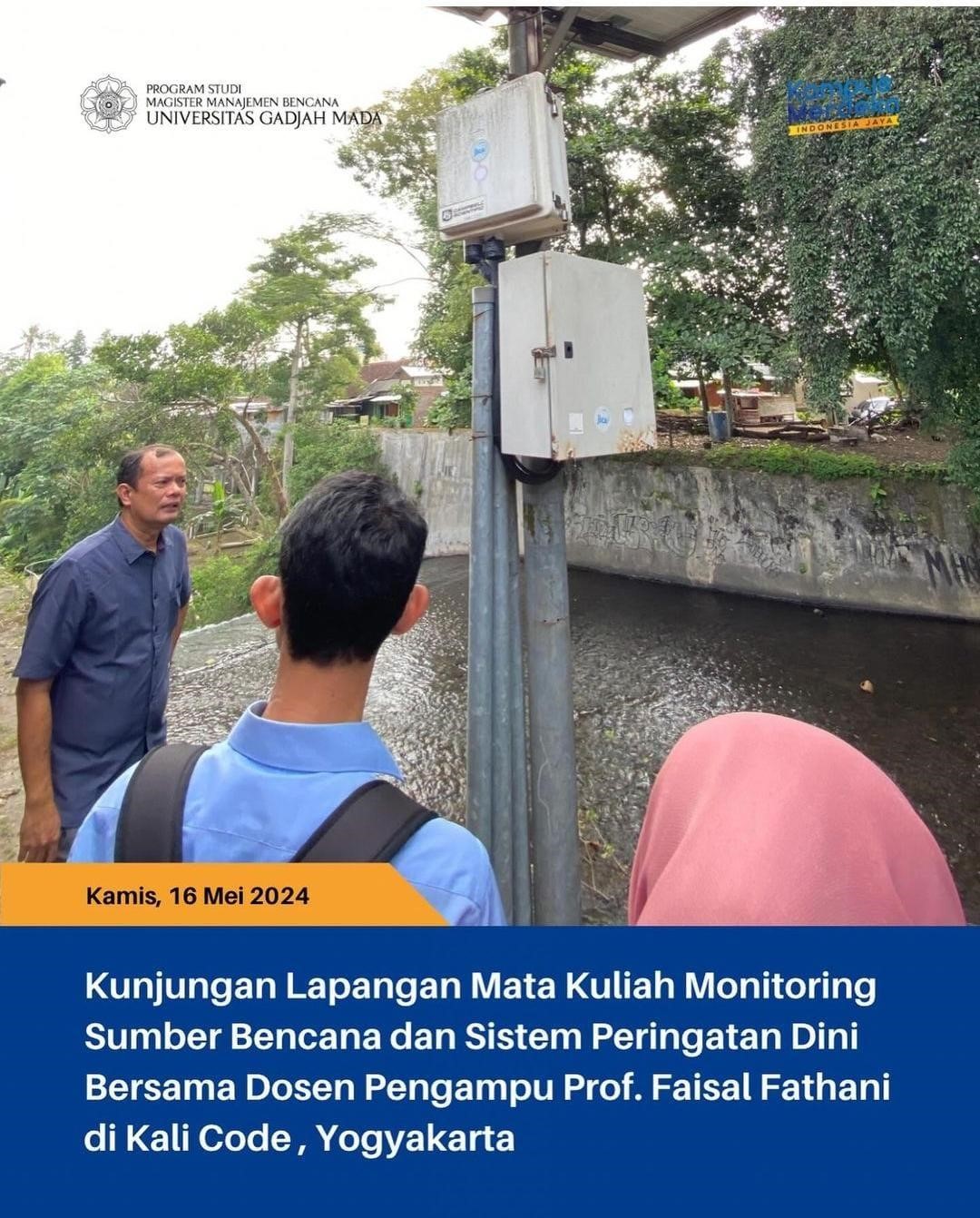
Yogyakarta, (25/6) The Early Warning System (EWS) for lava from Mount Merapi in Kali Code, Yogyakarta, is equipped with various advanced instruments. One of the main components is a float sensor used to monitor the water surface. This sensor works by detecting changes in water level that indicate the potential for cold lahar floods.
In addition to the float sensor, there is also an ultrasonic sensor capable of measuring water surface distance with high accuracy, providing real-time data on river conditions. The EWS is also equipped with a camera that automatically captures river conditions every 30 seconds.
The photos produced by this camera can be used for visual analysis and data verification from the sensors. Thus, if there is a significant increase in water level, the monitoring team can immediately understand the actual conditions in the field through the photos taken by the camera.
Interestingly, all instruments in this early warning system are supported by an independent energy source in the form of solar panels. These solar panels ensure that the EWS continues to operate effectively even during disruptions in the main power grid. The use of renewable energy such as solar panels also reflects efforts towards sustainability to reduce environmental impact.
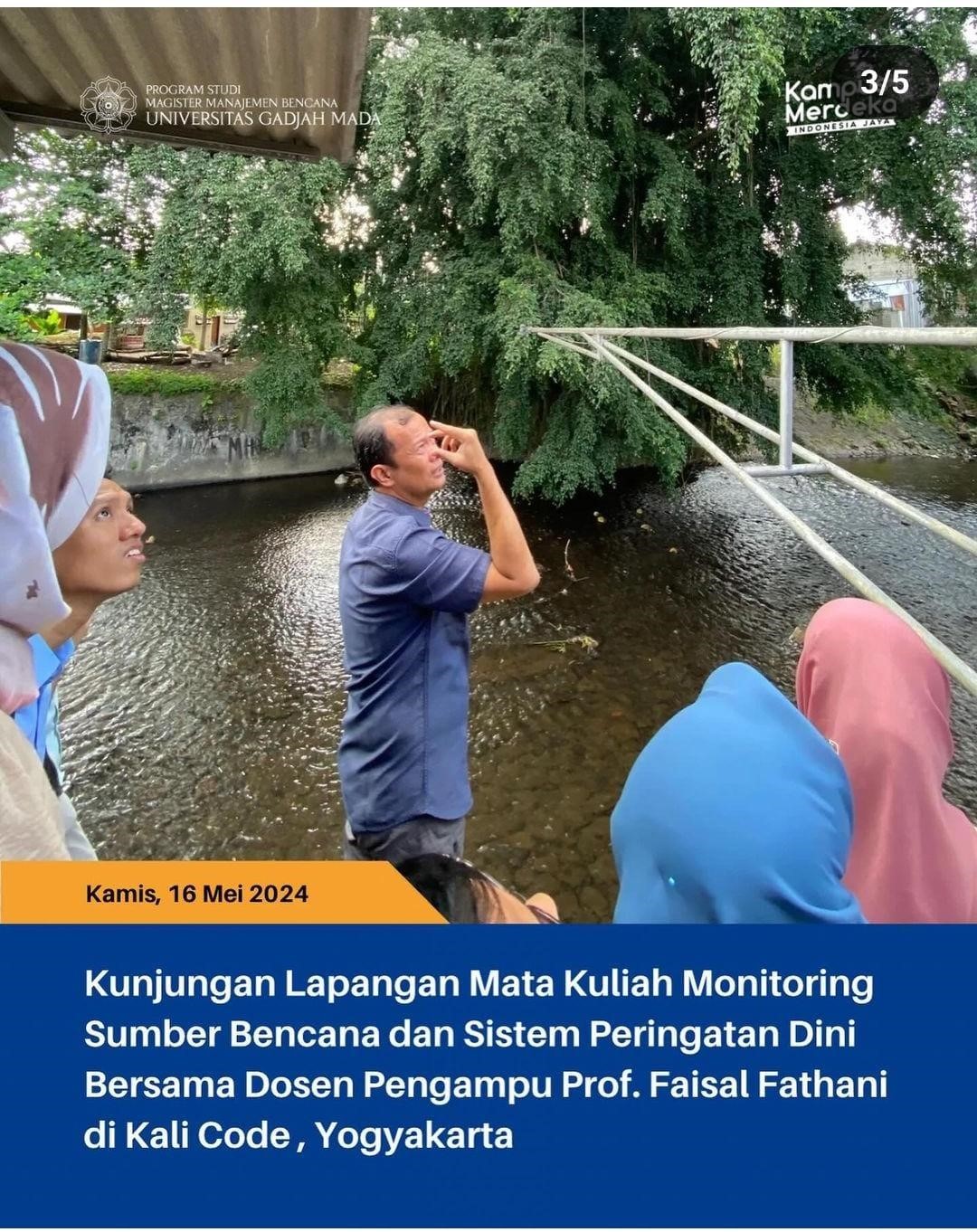
This was explained by Prof. Ir. T. Faisal Fathani, S.T, M.T., Ph.D., IPU., ASEAN. Eng, the lecturer for the Disaster Resource Monitoring and Early Warning Systems course in the Master’s Program in Disaster Management (MMB) at the Graduate School (SPs) of UGM during a field trip with MMB students to Kali Code on Thursday, May 16, 2024.
During the field visit, Prof. Faisal Fathani detailed the workings of each instrument in this early warning system to the students and emphasized the importance of continuous and accurate monitoring in disaster mitigation efforts. Students were given the opportunity to observe the installation and maintenance processes of these instruments.
This field trip expects students to develop practical skills and knowledge that will be highly beneficial for careers in disaster mitigation and risk management. This activity also strengthens collaboration between academia and practitioners in enhancing disaster preparedness and reducing risks in communities.
Furthermore, this activity aligns with the implementation of SDGs, specifically SDG 4 (Quality Education), SDG 11 (Sustainable Cities and Communities), SDG 12 (Responsible Consumption and Production), and SDG 17 (Partnerships for the Goals).
Author:
Editor: Arni Wistriatun