
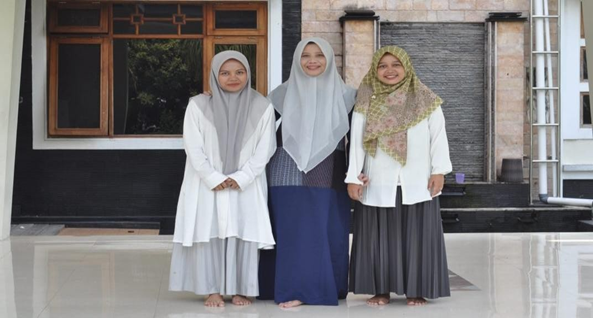
Yogyakarta, 15th January 2026 — A research team from the Graduate School of Universitas Gadjah Mada (UGM) highlights the strategic role of women’s leadership and cross-sector partnerships in sustaining Islamic education in Indonesian pesantren (Islamic boarding schools). The study was conducted from May to July 2025 at two major pesantren in Indonesia: Al Ashriyyah Nurul Iman Islamic Boarding School in Parung, Bogor, and Krapyak Islamic Boarding School under the Ali Maksum Foundation in Yogyakarta.
Led by Dr. Ridwan Ahmad Sukri, the research finds that women’s leadership in pesantren is not merely symbolic but plays a decisive role in shaping institutional transformation. At Al Ashriyyah Nurul Iman, Umi Waheeda has developed 69 business units based on the Food, Energy, Water, and Waste (FEWS) model to finance free education for more than 15,000 students. The pesantren has also established partnerships with various stakeholders, including the Tzu Chi Buddhist Foundation Taiwan and Amanda Hospital, to support social entrepreneurship and student health initiatives. In addition, it has built collaborative relationships with Bank Indonesia, which subsequently works with leading universities in Indonesia to provide expert support and training across various fields, particularly in industry and agriculture.
Meanwhile, at Krapyak Pesantren, Nyai Ida Rufaida emphasizes collective leadership grounded in deliberation and cultural values. She plays a key role in partnerships for the government’s Free Nutritious Meal Program (Makan Bergizi Gratis/MBG) and in managing zero-waste–based waste management initiatives, which have now become a national pilot project.
“Women in pesantren are not only guardians of tradition, but also drivers of social innovation and sustainable education,” said Dr. Ridwan.
This research contributes to the achievement of SDG 4 (Quality Education), SDG 5 (Gender Equality), and SDG 17 (Partnerships for the Goals), while demonstrating that pesantren can serve as effective models of cross-sector collaboration for social welfare.
Source: Ridwan AS
Editor: Asti Rahmaningrum
Photo: Ridwan AS