
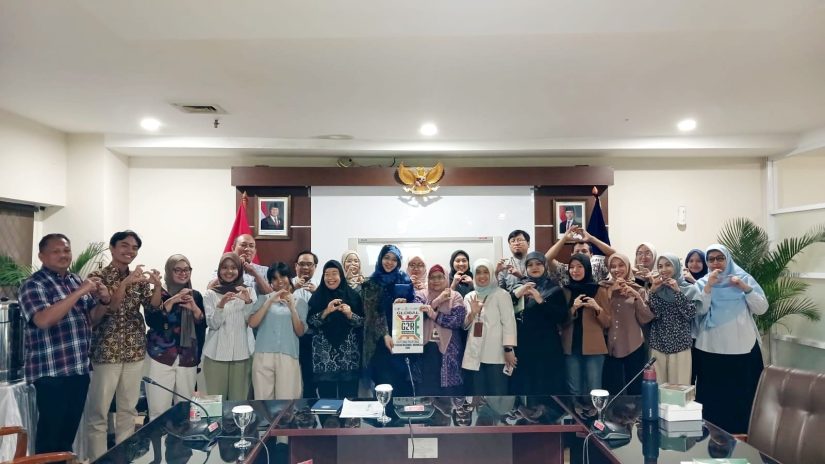
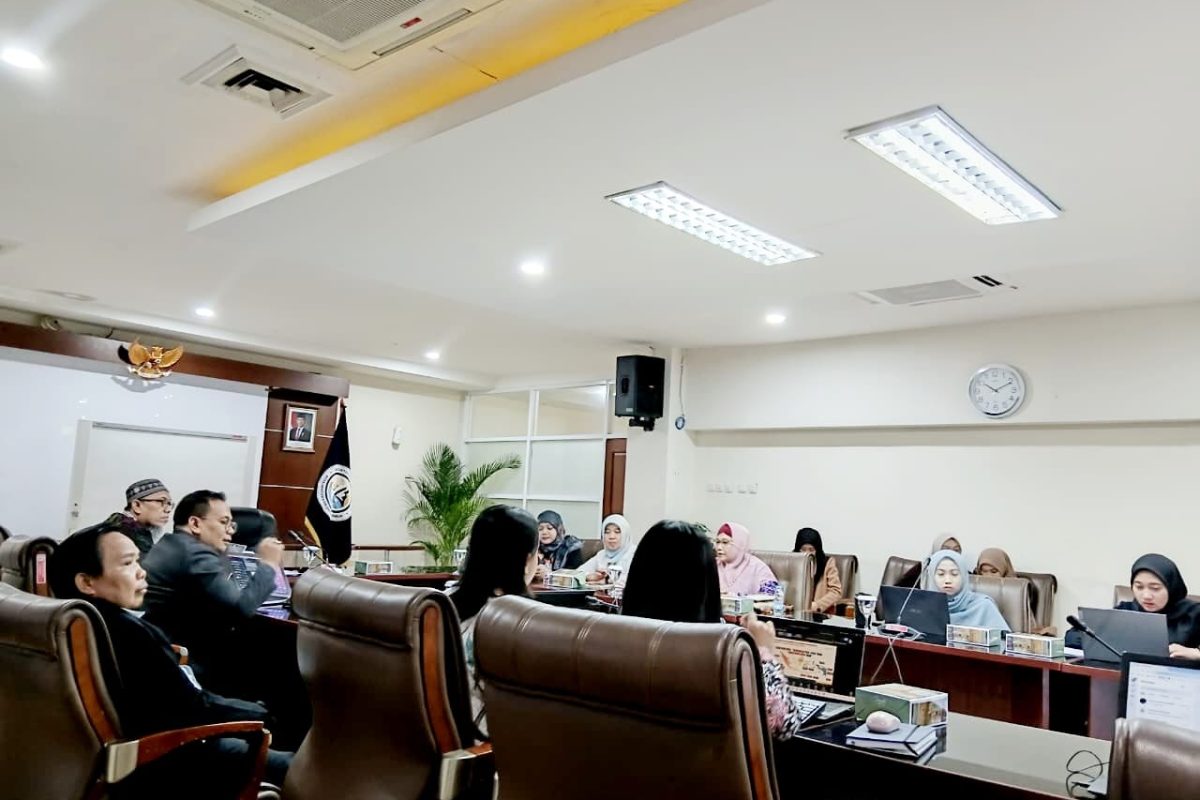
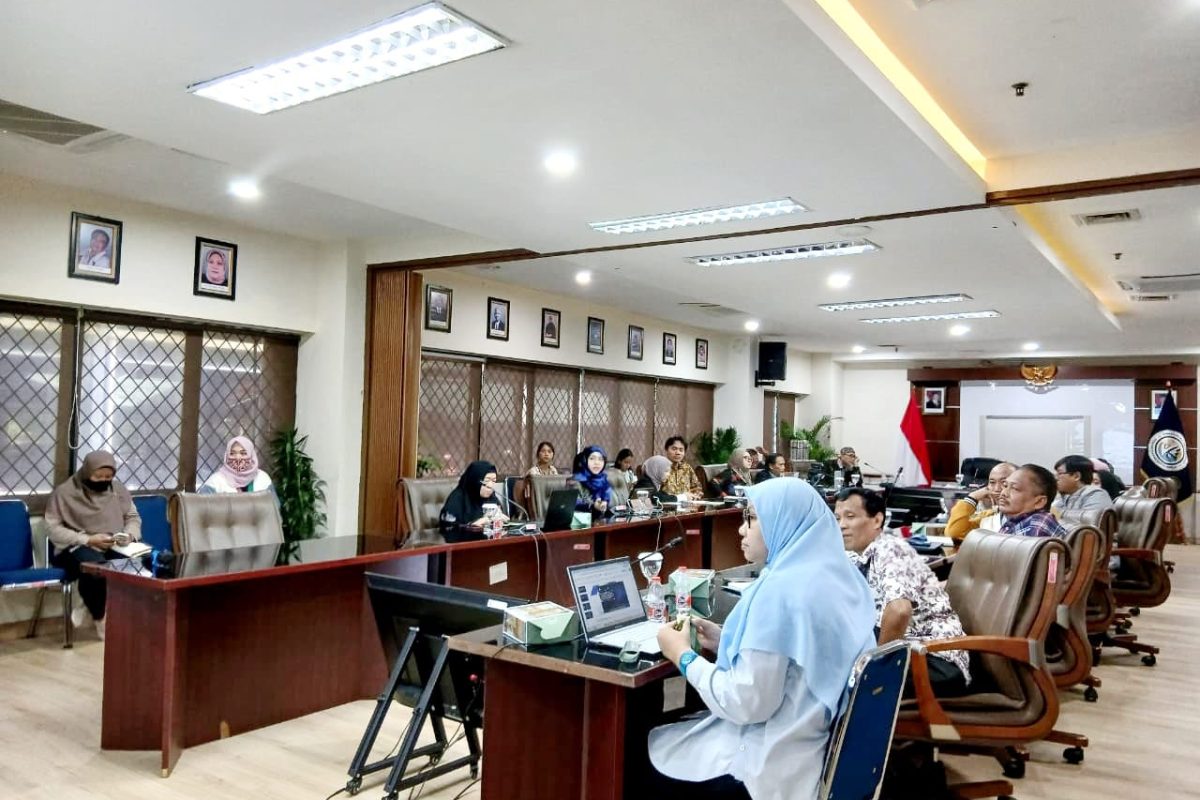
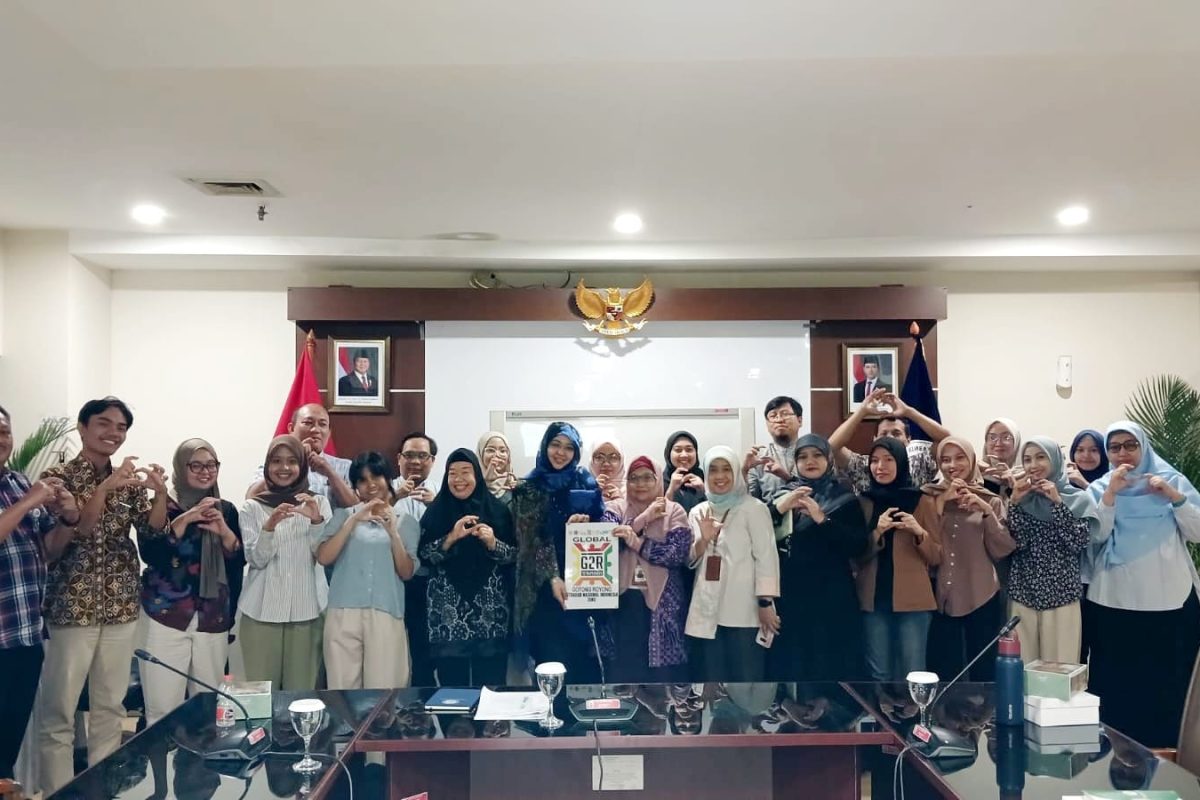
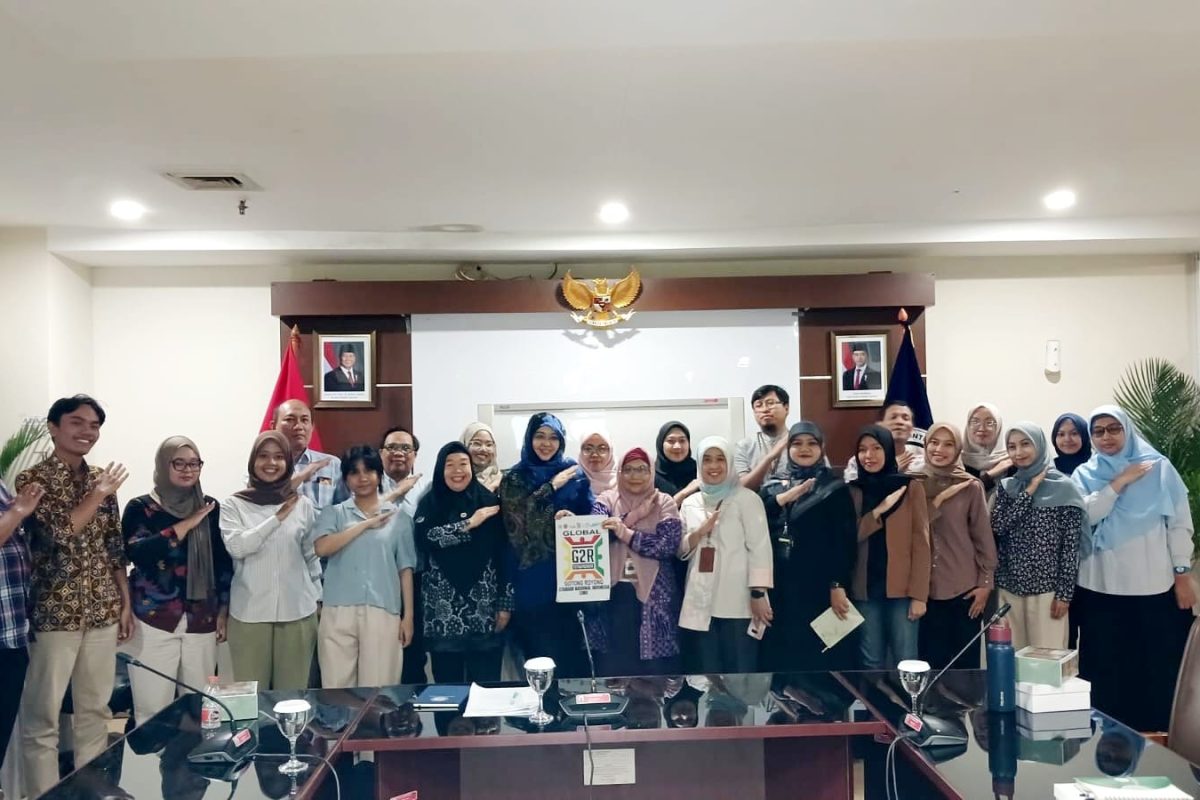
Jakarta, 5 December 2025 – The Doctoral Program in Population Studies at the Graduate School of Universitas Gadjah Mada, in collaboration with the Ministry of Transmigration, held an exposé of the Economic Development Study’s the final report of in Transmigration Areas along the Trans-Sumatra Toll Road Corridor (JTTS). This event marked the culmination of a series of strategic research collaborations carried out throughout 2025.
Dr. Djaka Marwasta, S.Si., M.Si., who served as the chief of the UGM expert team, played a central role in bridging academic agendas with the needs of national policy formulation in the transmigration sector.
Conducted over a three-month period from October to December 2025, the UGM research team examined eleven transmigration areas located along the JTTS corridor in Bengkulu Province, South Sumatra, and Jambi. These areas included Padang Ulak Tanding, Simpang Rimau, Kikim, Belitang, Parit Rambutan, Geragai, Muara Kuang, Petata, Karang Agung Ilir, Kumpeh, and Telang. These regions are positioned as new economic growth nodes expected to leverage the presence of the toll road to drive regional industrialization, downstream processing of commodities, and improvements in transmigrant welfare.
During the exposé session, the UGM team explained that each transmigration area along the JTTS corridor possesses diverse leading commodities, ranging from oil palm, coffee, rubber, rice, and horticulture to processed food and fisheries products. However, the value chains of these commodities have not yet been optimally developed, resulting in low local value added and limited impact on increasing transmigrant household incomes.
The study proposes the application of the Global Gotong Royong Tetrapreneur (G2RT) Model as a framework for entrepreneurial development in transmigration areas through four main pillars: Chainpreneur (entrepreneurial value chains), Marketpreneur (entrepreneurial markets), Qualitypreneur (entrepreneurial quality), and Brandpreneur (entrepreneurial branding). This model is designed to integrate local commodity potential, strengthen the capacity of business actors, and create iconic brands for transmigration areas capable of competing in regional, national, and global markets.
The exposé also highlighted that the development of the JTTS as a National Strategic Project presents significant opportunities to improve connectivity, accelerate the distribution of goods and services, and reduce logistics costs for transmigration areas. Nevertheless, several challenges remain, including disparities in local road infrastructure connecting transmigration areas to toll gates, limited access to ports and airports, and uneven provision of basic services such as electricity, clean water, waste management, and health facilities.
The study, on social and institutional perspective, found that the quality of human resources and the performance of local institutions such as village-owned enterprises (BUMDes), transmigration-owned enterprises (BUMT), and cooperatives still need to be strengthened to function effectively as business aggregators and economic drivers for the region. At the same time, transmigration areas possess strong social capital in the form of a culture of mutual cooperation (gotong royong) and a strong willingness to engage in entrepreneurship, which serves as an important foundation for the successful implementation of community-based economic development strategies.
The policy briefs and executive summaries presented to stakeholders, the UGM team recommended the establishment of Commodity-Based Transmigration Economic Clusters (KET) along the JTTS corridor. Proposed clusters include a coffee agro-industry cluster in Rejang Lebong, a palm oil downstream processing cluster in Simpang Rimau, Kikim, and Parit Rambutan, and an integrated food cluster based on rice and horticulture in Telang.
Other key recommendations emphasized during the exposé include the need for full integration of transmigration areas into the JTTS master plan through the development of connecting roads, logistics centers, and MSME trade nodes at strategic toll exit points. The strengthening access to financing (such as People’s Business Credit/KUR, ultra-micro financing, and revolving funds for BUMT), establishing processing units (UPH), shared production houses, and implementing entrepreneurship training and digital marketing programs were highlighted as essential prerequisites for accelerating the economic self-reliance of transmigrants.
This collaboration reinforces the role of higher education institutions—particularly Universitas Gadjah Mada—as strategic partners of the government in designing research-based policies with direct societal impact. With the integrated implementation of these recommendations, transmigration areas along the JTTS corridor are expected to benefit from infrastructure development but also to become key actors in achieving economic equity and supporting the vision of Golden Indonesia 2045.
Author: Siti Muyasaroh