
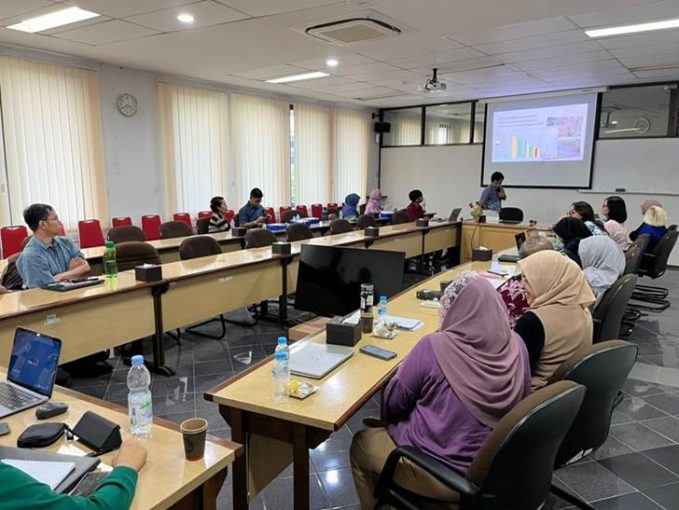
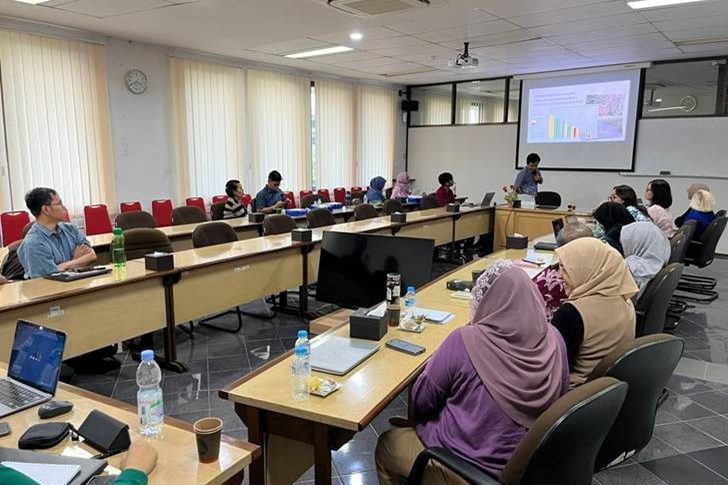
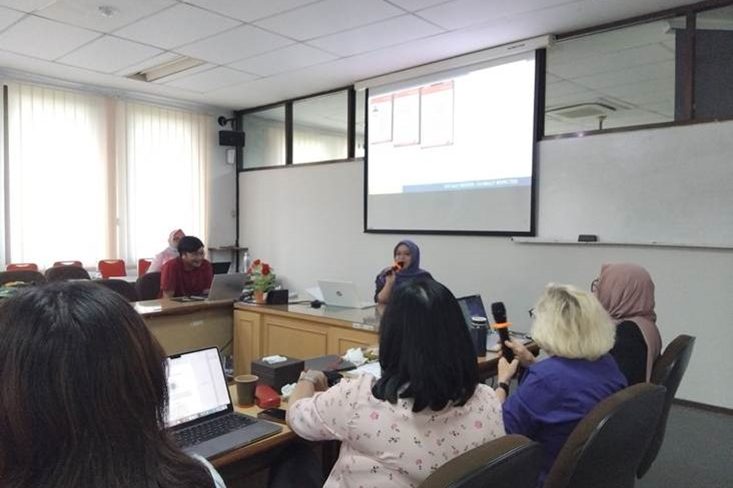
The Cultural and Media Studies Program (KBM) held a Doctoral Student Colloquium on Wednesday, May 28th 2025 at 13.00-16.00 WIB in Session Room A of the Graduate School. This event presented an international guest lecturer, Prof. Eva Warth from Germany, who brought a lot of knowledge and experience. This colloquium aimed to encourage critical dialog and collaboration between doctoral students, lecturers, and participants from various backgrounds.
The topics discussed in the colloquium were diverse and relevant, focusing on pressing issues related to education, climate, and gender. Among the presentations were research on gender and motherhood, queer cybersex pranks, an analysis of the #gemoy phenomenon on TikTok during the 2024 presidential election, online dating practices, and a study on the discourse of masculinity in Islamic media.
Five PhD students presented their research, most of which had already reached chapter 3. After each presentation, a Q&A session was held, allowing participants to interact with the presenters. This interactive format encouraged constructive feedback and provided valuable insights for the doctoral students to improve their research. Prof. Eva also contributed her expertise, offering comments and suggestions very useful in guiding the students’ work.
One of the most exciting moments in the colloquium was the critical questions posed by students and lecturers. These questions challenge the presenters to dig deeper into their research topics, theories, and methodologies. The intellectual debate that ensued not only enriched the discussion but also created a collaborative atmosphere where ideas could flourish.
The organizers of the colloquium, the Cultural and Media Studies Program, shared their hopes for this event. They aim to monitor the progress of doctoral students’ research while providing a platform for them to receive constructive feedback from peers and experts. The forum also provided opportunity for participants to gain insight into research topics being explored in the program, broadening their understanding of contemporary issues in cultural and media studies.
As the colloquium concluded, several important recommendations emerged from the discussion. Each presenter received tailored feedback on aspects of their research that they may have missed, encouraging them to refine their analysis. In addition, the recommendations emphasized the importance of clarifying the topic focus of their research, ensuring that their work makes a meaningful contribution to academic discourse.
The event was attended by more than 20 participants, showing a great interest in cultural and media studies. The diverse audience included students from within and outside UGM.
Recommendations given during the forum were personalized to each presenter, such as strengthening methodological aspects, theoretical analysis, and depth of reading of the research object. It is hoped that the results of this colloquium will be able to encourage student research to be sharper and more relevant in responding to contemporary socio-cultural challenges.
Author: Khoirul Mujazanah