
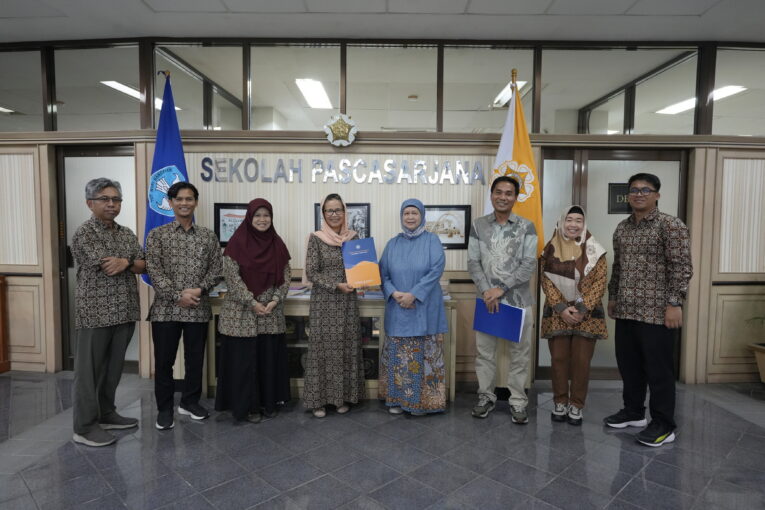
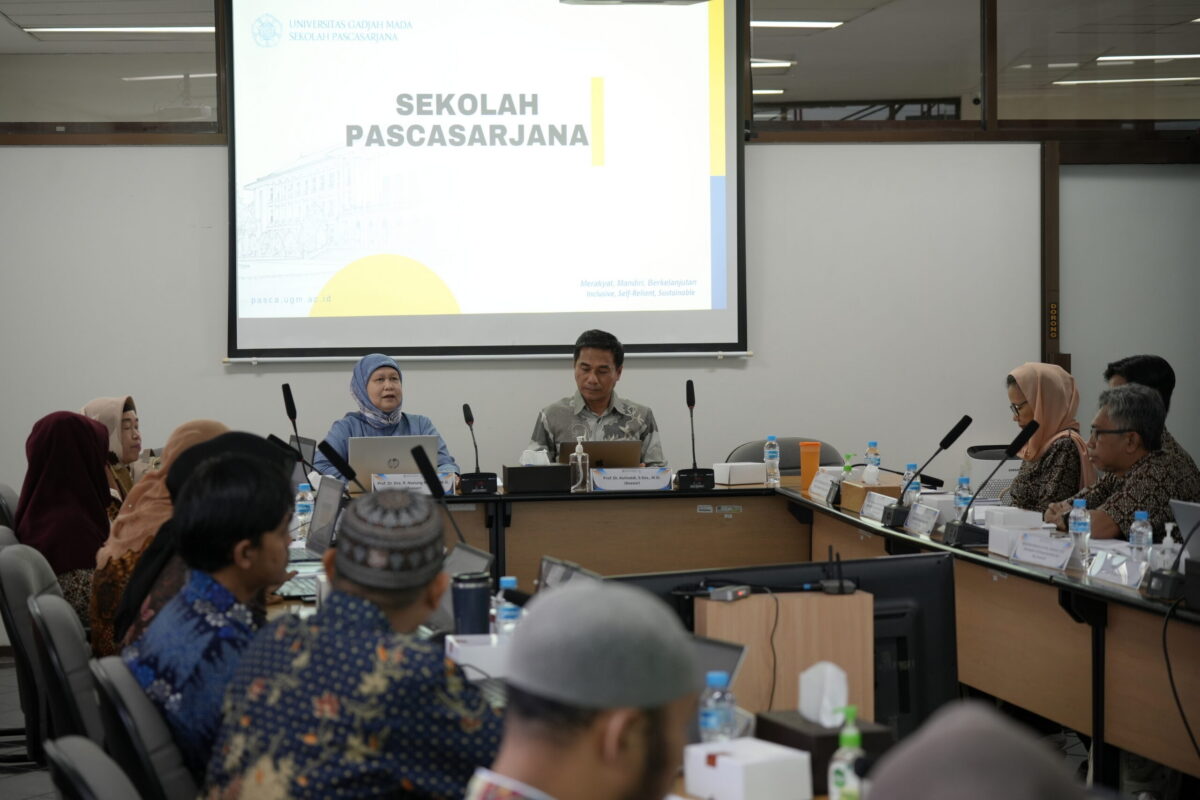
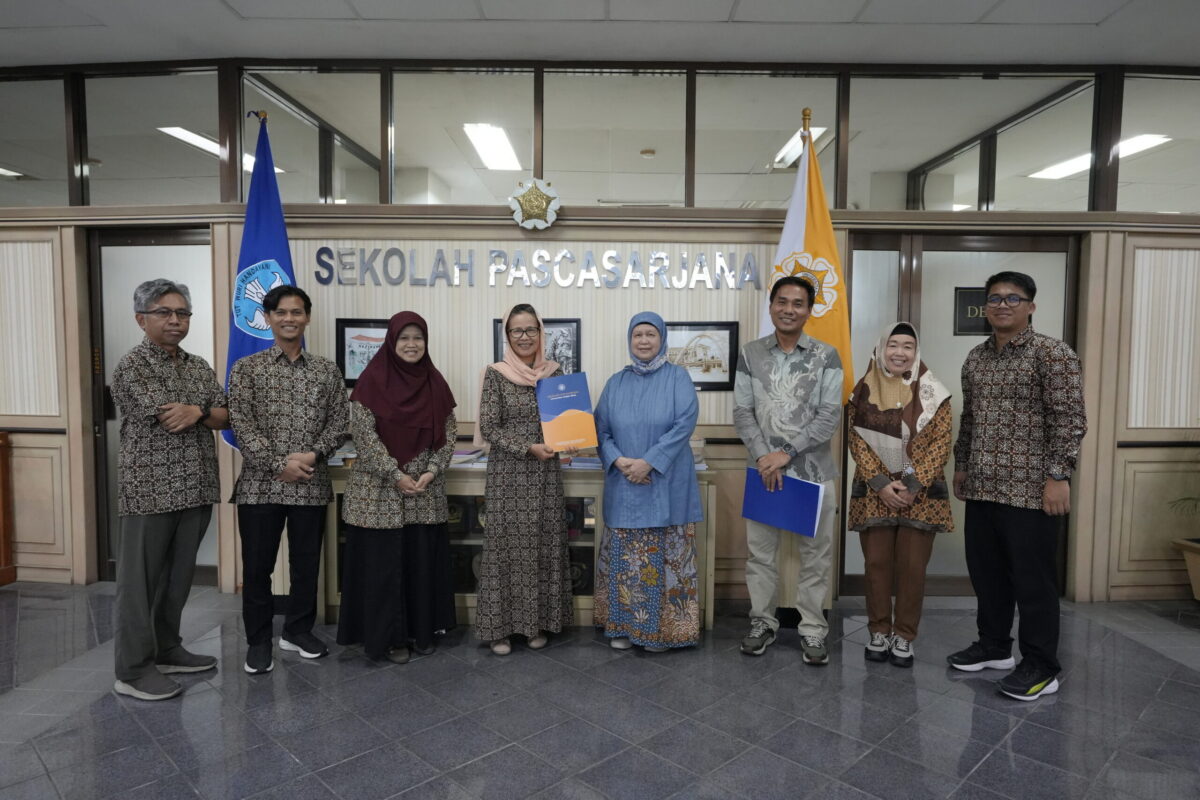
Yogyakarta, November 19th 2026 – The Population Master’s Program Graduate School of Universitas Gadjah Mada (UGM), underwent an accreditation site visit conducted by the Independent Accreditation Agency for Social Sciences, Political Science, Public Administration, and Communication (LAMSPAK). The visit was part of the academic quality and study program governance evaluation process for accreditation purposes.
The site visit commenced with the opening of the assessment, the introduction of the assessor panel, and the reading and signing of the field assessment statement. The agenda then continued with discussions and presentations on the development plans of the Study Program Management Unit (UPPS) and the program undergoing accreditation.
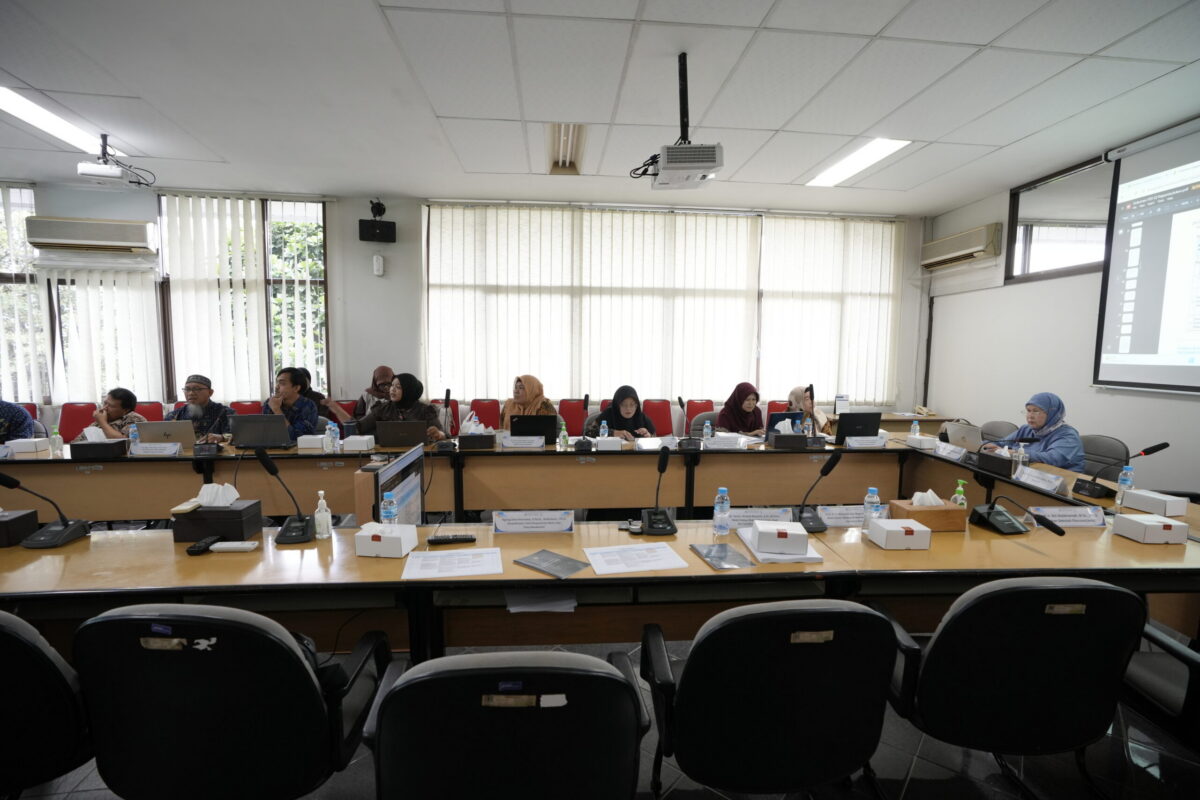
The assessor panel during the assessment, verified the data and information presented in the Self-Evaluation Form (Formulir Evaluasi Diri/FED). These data and information served as the basis for assessing quantitative indicators and evaluating higher education management on various functional areas. The aspects reviewed included the implementation of academic programs and the three pillars of higher education (education, research, and community service), as well as resource management, covering human resources, finance, assets and facilities, and information systems. In addition, the panel examined the implementation, outcomes, and effectiveness of the Internal Quality Assurance System (SPMI) within the UPPS. This included reviewing all stages of the PPEPP quality assurance cycle: Determination, Implementation, Evaluation, Control, and Improvement, as well as examining the relevant quality standard documents.
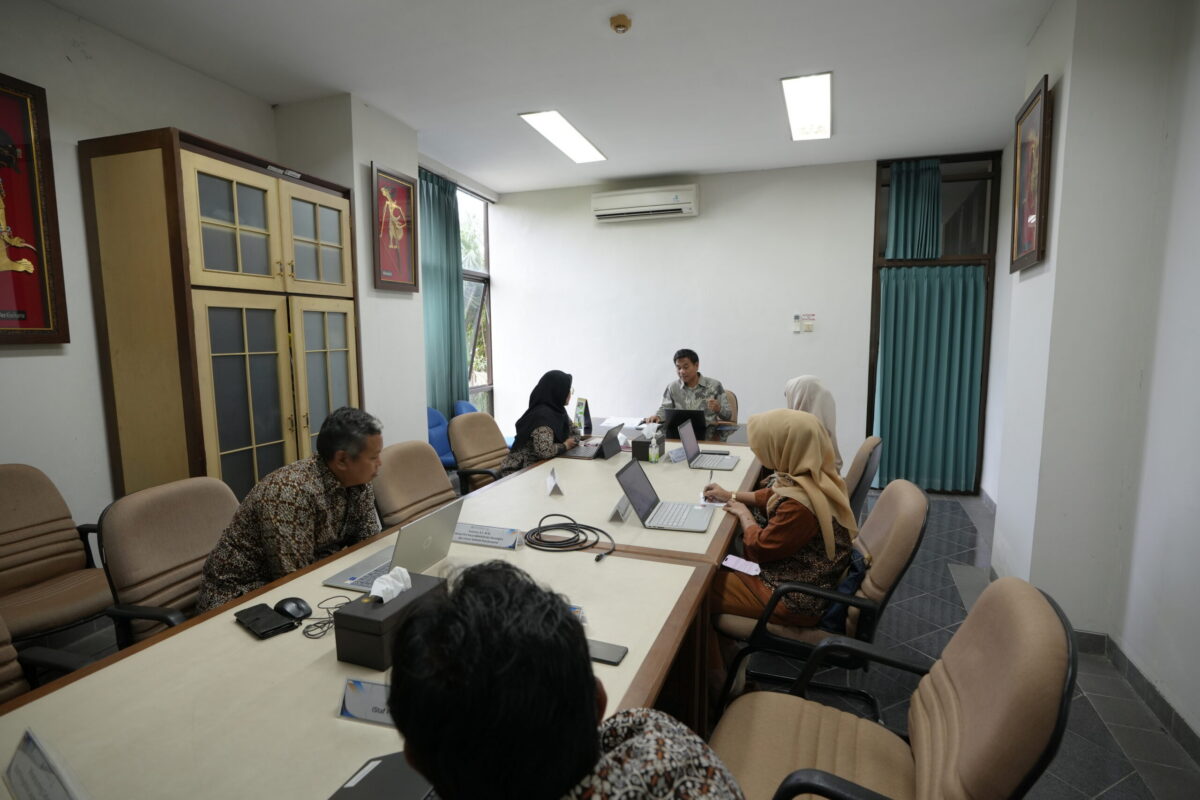
The assessment process also involved interviews with various internal and external parties, including administrative staff, lecturers, students, and alumni. These interviews aimed to gather information regarding their engagement, achievements, service quality, and levels of satisfaction with the program.
The assessment process In addition to internal parties, such as the management and study program leadership, also involved external stakeholders. Their participation aimed to gather insights into their expectations, satisfaction levels, and feedback regarding the performance and outcomes of the UPPS and the program.
The field assessment subsequently proceeded to the preparation of the draft assessment report and accreditation recommendations. The draft report was presented to the UPPS leadership for review and examination in collaboration with the program leaders to ensure the accuracy and consistency of the information and assessment findings.
The site visit concluded with the signing of the field assessment report, followed by a wrap-up session attended by the assessor panel, UPPS leadership, and program representatives.
The Population Master’s Program, an academic program specializing in population studies, at UGM Graduate School continues to strive to advance education, research, and community service in response to the evolving population dynamics and challenges. By strengthening the quality of teaching and advancing academic knowledge, the program is committed to producing graduates with strong analytical capabilities who can contribute to policy formulation and address various population-related issues.
This site visit showed the Population Master’s Program at UGM Graduate School had the opportunity to demonstrate its performance achievements, governance system, and commitment to establish higher education with a focus on continuous quality improvement. This assessment process also represents an important step toward strengthening the quality of education, research, and community service.