
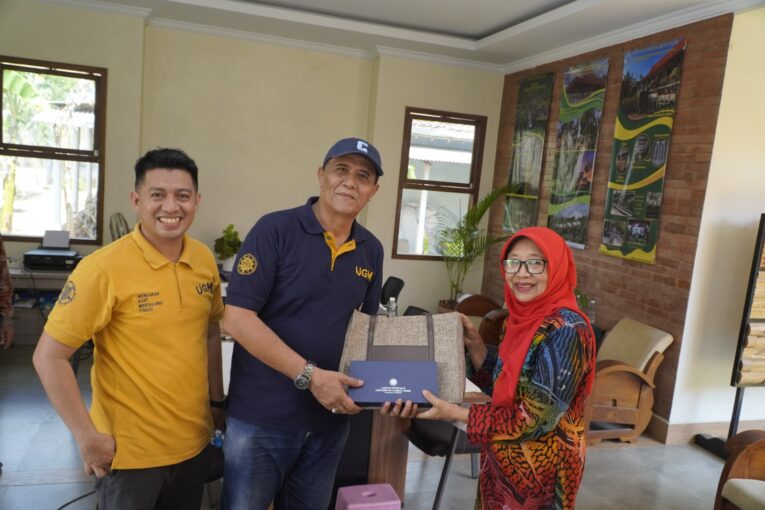
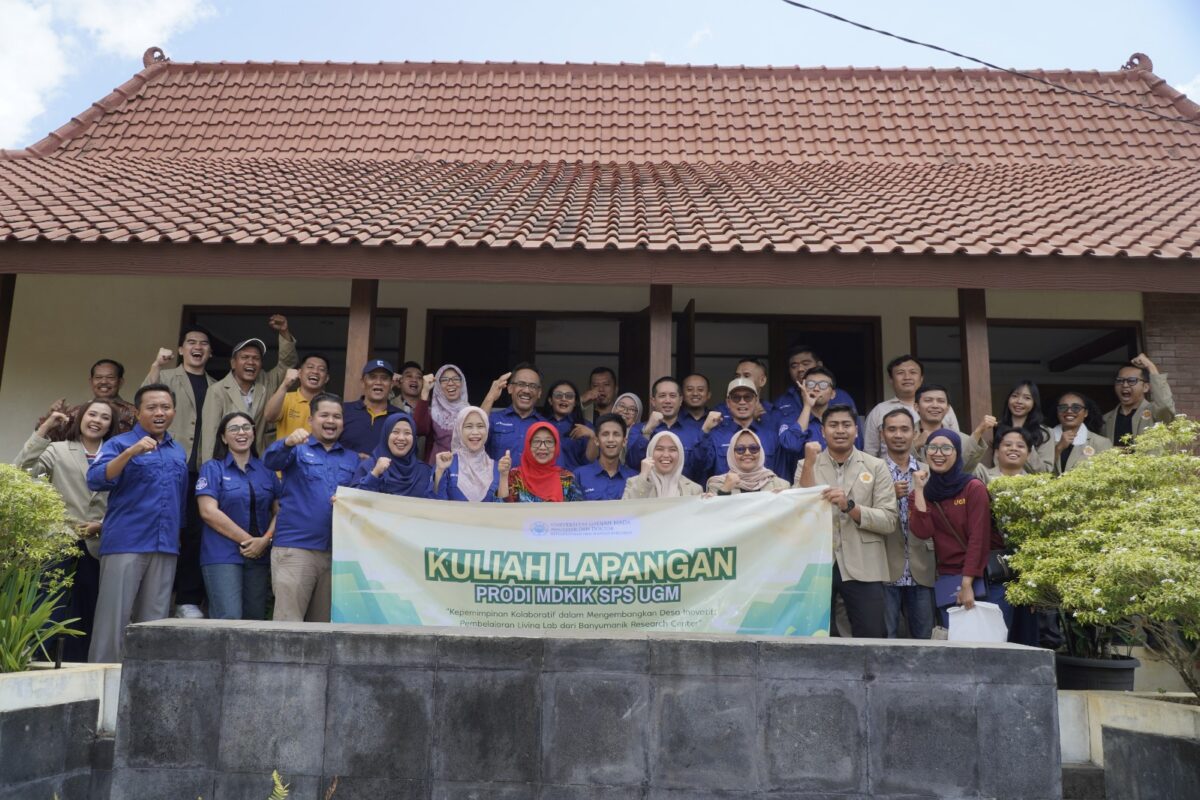
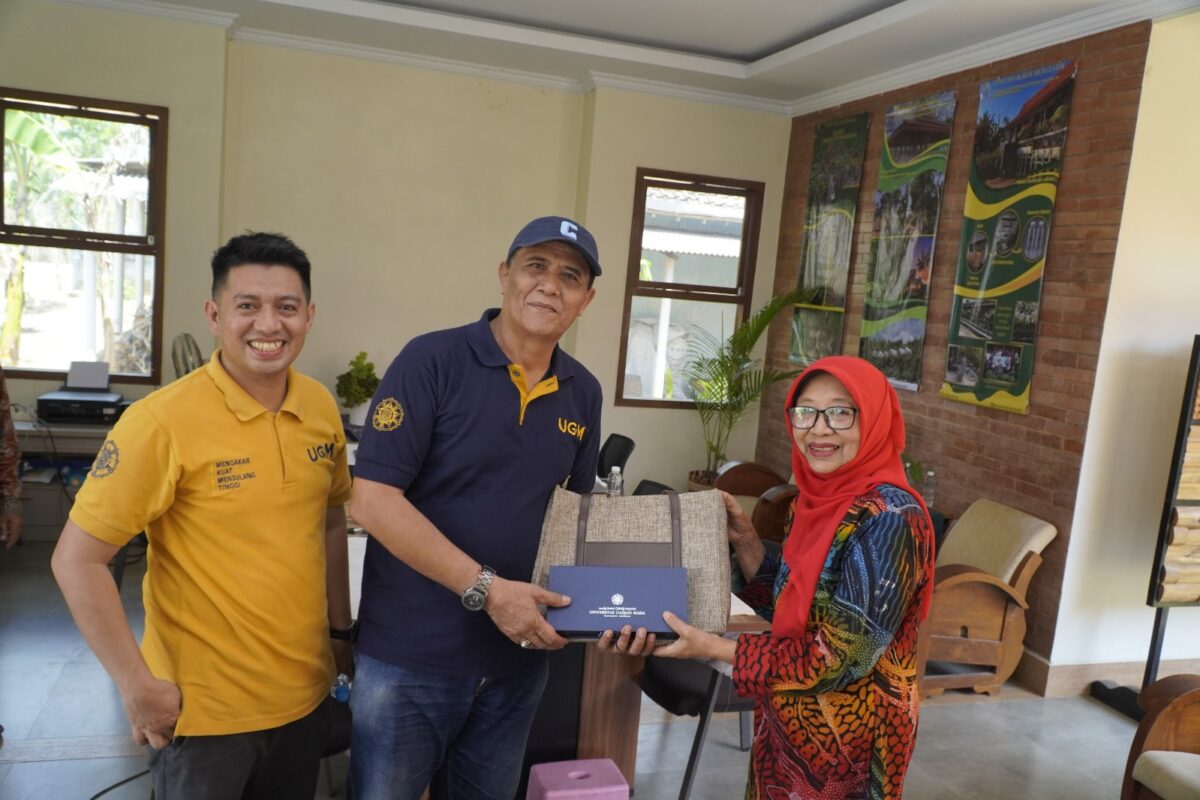
Yogyakarta, 23rd October 2026 — The Leadership and Policy Innovation Master and Doctoral Program (MDKIK), Graduate School, Universitas Gadjah Mada (UGM), organized a field study entitled “Collaborative Leadership in Developing Innovative Villages: Living Lab Learning from Banyumanik Research Center” on Friday (23rd October). The activity was attended by master and doctoral students of MDKIK as part of a learning initiative connecting leadership and policy innovation concepts with practical approaches to develop local potential within communities.
The field study took place at Banyumanik Research Center, followed by a visit to Sepanjang Beach, Gunungkidul. Through this activity, students were invited to explore how collaboration among communities, academics, government institutions, and other stakeholders can serve as a driving force in developing innovations that respond to local needs and potential. The living lab approach provided a learning framework for observing innovation processes firsthand with interactions of knowledge, practices, and community experiences.
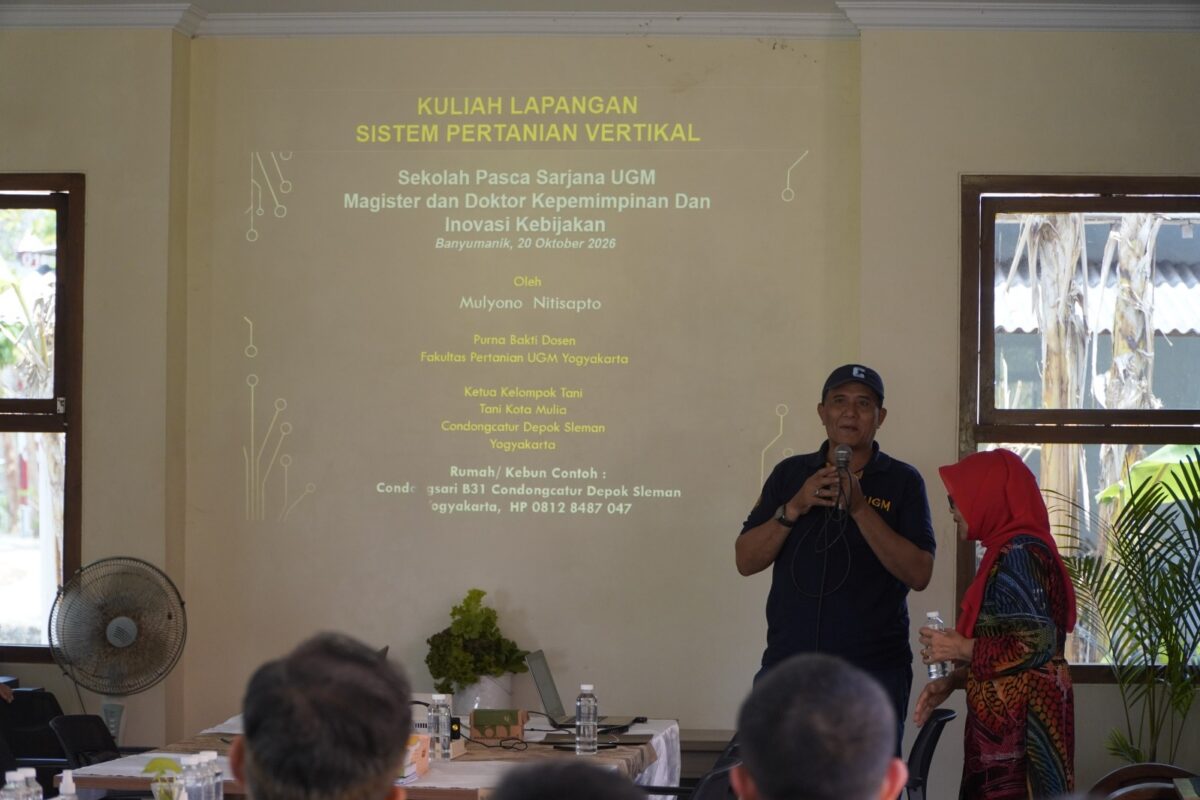
One of the sessions focused on vertical farming systems as an innovative approach to utilize space and agricultural potential. The session featured Mulyono Nitisapto, a retired lecturer from UGM’s Faculty of Agriculture and Chair of the Tani Kota Mulia Farmers’ Group in Condongcatur, Depok, Sleman, Yogyakarta. His presentation made students gain insights of agricultural development practices that offer alternative ways of utilizing local resources. The discussion also highlighted the importance of knowledge, experience, and community involvement in developing innovations that can be implemented within local communities.
The activity continued with a discussion on collaborative leadership for village innovation. The discussion focused on understanding stakeholder dynamics, the distribution of roles, and various factors that support or hinder innovation development. In village development, leadership relies on formal authority and also on the ability to foster cooperation, optimize community potential, and encourage the participation of diverse actors in formulating solutions to shared challenges.
This field-based learning experience for MDKIK students provided an opportunity to observe how innovation is implemented in real community settings. It also served as a space to examine theoretical understanding and develop analytical and reflective skills in addressing development issues. Students were encouraged to integrate their field observations with leadership and policy innovation concepts and theories with the preparation of field study papers containing observations, analysis, and critical reflections.
The field study continued with a visit to Sepanjang Beach, Gunungkidul, as part of the overall program. In addition to providing an opportunity for learning beyond the classroom, the visit allowed students to broaden their perspectives on the relationship of local potential, regional development, and sustainability.
This initiative made MDKIK UGM seeks to strengthen experiential learning by directly engaging students with innovation practices in local communities. This approach is expected to foster a deeper understanding that policy innovation and village development require participatory and adaptive leadership capable of bridging the interests and knowledge of diverse stakeholders.
This activity contributes to the achievement of the Sustainable Development Goals (SDGs), particularly SDG 4: Quality Education, with experiential learning and the development of students’ analytical capacities; SDG 11: Sustainable Cities and Communities, with learning on innovative village development and the utilization of local potential; and SDG 17: Partnerships for the Goals, by emphasizing collaboration of academics, communities, and stakeholders in promoting innovation.
Author: Khoirul Mujazanah