
Yogyakarta, February 24th 2026 — L-asparaginase is an enzyme belonging to the aminohydrolase group with broad applications in healthcare and the food industry. In the medical field, this enzyme plays a crucial role in the treatment of Acute Lymphoblastic Leukemia (ALL) due to its ability to reduce levels of asparagine, an amino acid required for leukemia cells to survive. By depleting asparagine, the growth of cancer cells can be significantly suppressed.
L-asparaginase, in the food industry, is utilized to inhibit the Maillard reaction during heating processes. This inhibition is important to reduce the formation of acrylamide, a carcinogenic compound that frequently appears in high-carbohydrate food products such as chips and toasted bread.
Commercial L-asparaginase, to date, has generally been produced from Gram-negative bacteria, such as Escherichia coli and Erwinia chrysanthemi. However, long-term use or high doses derived from these sources may cause immunological side effects, including allergic reactions and anaphylaxis. This concern has driven the need to develop safer enzyme candidates, particularly from Gram-positive bacteria, which are known to present lower immunogenic risks.
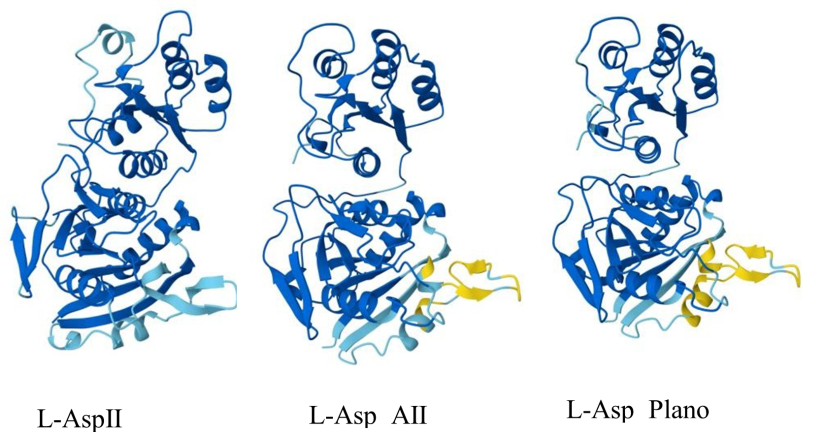
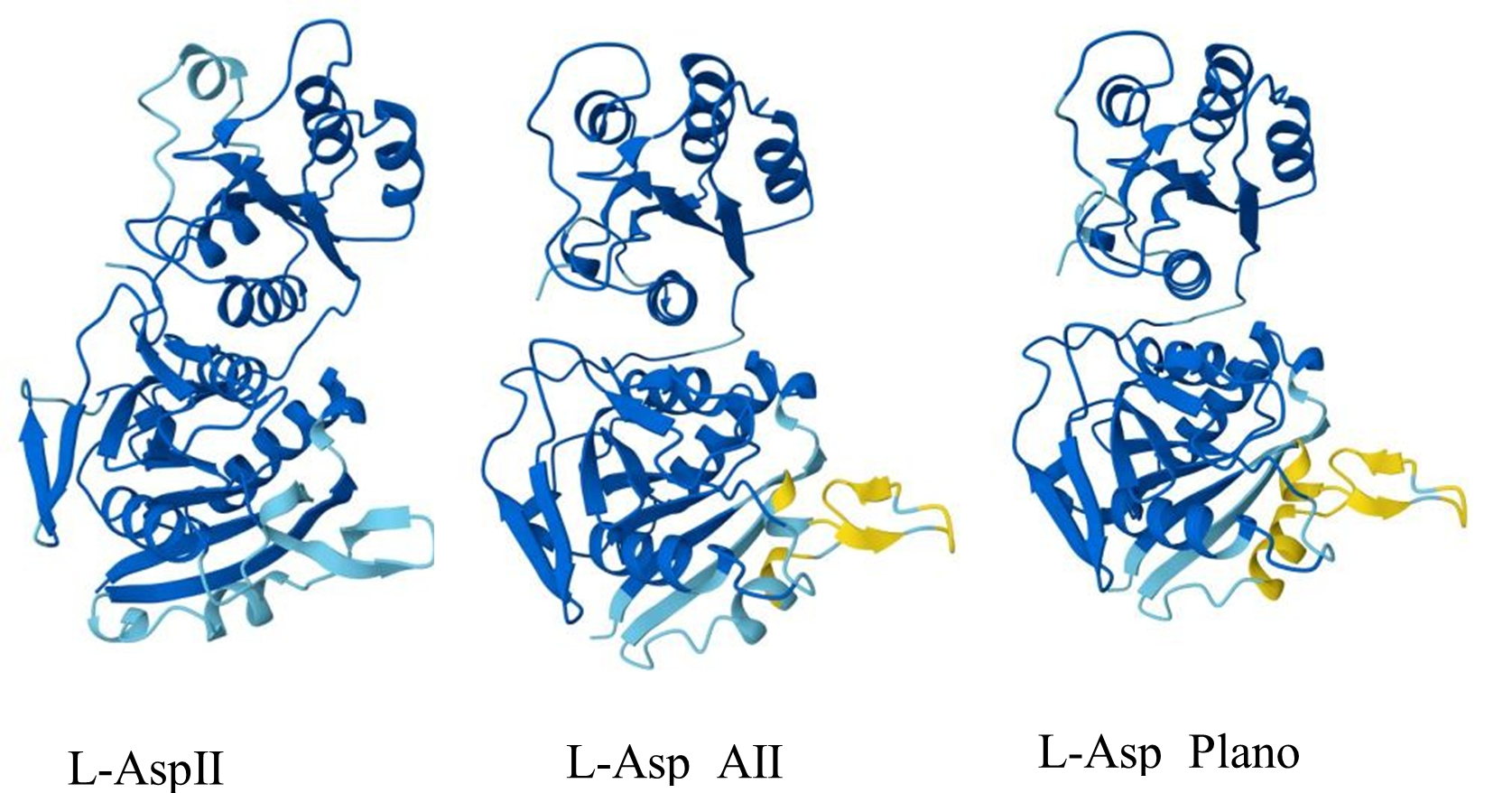
The research, led by M. Saifur Rohman, S.P., M.Si., M.Eng., Ph.D., from the Biotechnology Master’s Program, Graduate School of Universitas Gadjah Mada (UGM), is part of the 2025 Graduate School Research Grant (SPS UGM). The study explored three Gram-positive bacteria as alternative sources of L-asparaginase: Bacillus megaterium, Bacillus sp. T3, and Planococcus sp. JS01. These bacteria were selected based on their physiological characteristics that support extracellular enzyme production and their potential to generate L-asparaginase variants with high activity and minimal toxicity.
The findings demonstrate that the three isolates exhibit L-asparaginase activity comparable to conventional sources. Furthermore, the isolation of the Open Reading Frame (ORF) encoding the L-asparaginase enzyme from each bacterium was successfully achieved. This milestone represents a crucial step toward the production of safer recombinant enzymes with strong potential for development as alternative anticancer drugs.
The development of L-asparaginase from Gram-positive bacteria offers a strategic opportunity for Indonesia to produce innovative pharmaceutical products while reducing dependence on imported raw materials.
This research contributes to several Sustainable Development Goals (SDGs). Under SDG 3 (Good Health and Well-being), it supports improved availability of safer essential medicines for leukemia therapy. In relation to SDG 9 (Industry, Innovation, and Infrastructure), the development of recombinant enzymes strengthens national research capacity and the biotechnology industry. Moreover, the study supports SDG 17 (Partnerships for the Goals) by encouraging collaboration among universities, hospitals, pharmaceutical industries, and regulatory bodies in the downstreaming process. Indirectly, the innovation also contributes to SDG 1 (No Poverty) and SDG 10 (Reduced Inequalities) by creating opportunities to lower treatment costs and expand access to healthcare for those in need.
Source: M. Saifur Rohman
Editor: Asti Rahmaningrum
Photo: M. Saifur Rohman