
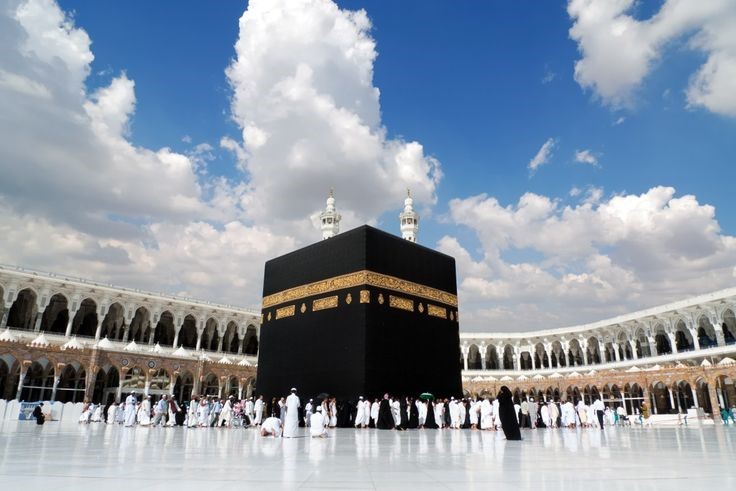
Although the COVID-19 pandemic has passed, discussions about its impacts continue to resonate in various sectors, including religious practices. On October 30th 2024, Subkani Kusuma Dewi, a lecturer in Hadith Studies at the State Islamic University (UIN), presented her findings at the Wednesday Forum held in Classroom 306, Graduate School Building, UGM. Subkhani completed her doctoral studies at Western Sydney University, researching how the pandemic affected Indonesian Muslim pilgrimage practices to Mecca.
Dewi focused on studying the religious practice of Umrah. She highlighted that the pandemic fundamentally changed the protocols governing Umrah, a pilgrimage that Muslims can undertake at any time of the year. She stated that there are two significant modifications that emerged among practitioners in Indonesia as a result of the COVID-19 pandemic.
“The first change is that during the transition from normal to new normal, in-person engagement was replaced by pilgrims’ reliance on virtual modalities. Many Umrah travel agents in Indonesia developed networked individualism in the implementation of Umrah. Meanwhile, the second modification is the rise of proxy pilgrimage, where religious leaders now substitute for elderly individuals who may not be able to travel,” Dewi stated.
Furthermore, Dewi explained that the pandemic led to an increasing use of internet media, resulting in live streaming options for Umrah practices. This allowed pilgrims who could not travel to participate virtually. According to Dewi, the pilgrims’ reliance on these new modalities reflects a changing perception of spatiality and materiality in the performance of pilgrimage within the Indonesian Muslim practice to Mecca.
In conclusion, Dewi expressed that the essence of the religious experience must be preserved while adapting to the new reality. As the world continues to navigate the post-pandemic landscape, discussions like this will be crucial in shaping the future of cultural and religious practices. The Religious and Cross-Cultural Studies Program or Center for Religious and Cross-Cultural Studies regularly hosts the Wednesday Forum, serving as a discussion space to enhance insights for students. This initiative aims to promote dialogue on current issues, including the intersections of culture, religion, and education.
Keywords: SDG 4: Quality Education, SDG 5: Gender Equality, SDG 9: Industry, Innovation, and Infrastructure
Author: Asti Rahmaningrum